Search Results
2323 results for “inflammation”

Why Does Cat Fur Become Matted and Hard?
Matted, hardened fur is a common and frustrating problem for many cat owners, and it can seriously affect a cat's comfort and appearance. The issue usually stems from poor grooming habits, an unbalanced diet that lacks essential vitamins and protein, or underlying health problems such as skin infections, inflammation, or fungal disease. When fur is not brushed regularly, loose hairs tangle together and trap dirt, forming tight, stiff mats. In most cases the problem can be prevented and improved through daily brushing, a balanced diet, and routine professional grooming. However, if matting appears together with skin redness, hair loss, or other abnormal signs, a timely visit to the veterinarian is the safest approach.

Can Erythromycin Ointment Treat Cat Chin Acne?
Cat chin acne is a form of folliculitis, often from hormone imbalance, allergies, or bacteria. Erythromycin ointment has anti-inflammatory and antibacterial action, so it can help—but a cat's skin is sensitive and the thick ointment may clog pores or trigger allergies, sometimes worsening things. The real fix is environmental and dietary: clean bowls (ceramic, steel, or glass—not plastic), low-dust litter, and a balanced diet. For mild cases, warm water or a chlorhexidine solution; for severe redness, hair loss, or bumps, a vet may suggest mupirocin, clindamycin, or erythromycin ointment.

Why Does Your Dog Keep Licking Its Paws?
Frequent paw licking can be boredom, an early sign of interdigital dermatitis or skin infection, a wound, or damp 'athlete's foot'. Long paw fur that stays wet breeds bacteria and leads to interdigital inflammation, so trim and dry the fur and clean the paws after walks. Check for cuts from stones, thorns, or glass, and for parasite or yeast infections that itch. If the paws look normal, the licking is likely boredom, and more playtime helps prevent the loneliness that can slide into depression.

Is Your Rabbit’s Red Urine Always Blood?
Red urine in a rabbit is not always blood. Eating pigmented foods like carrot or beet can tint it light red or orange with normal behavior, and some medicines such as vitamin C or iron can do the same. True bleeding comes from a urinary infection or stones, giving a dark red or brown color along with straining, frequent urination, or low output, which needs a veterinarian. Prevent problems with a balanced diet, plenty of water, a clean cage, and regular checks of the urine.

Causes and Treatment of Eyelid Entropion in Dogs
Eyelid entropion is a common eye problem in dogs, often caused by genetics and eye disease. The right treatment depends on how severe it is, and with proper care it can be controlled and managed. Mild cases are usually treated with medication, while severe entropion needs timely surgery. Keeping the eyes clean helps reduce the chance of entropion developing.
What to Do When Your Hamster Has Skin Disease
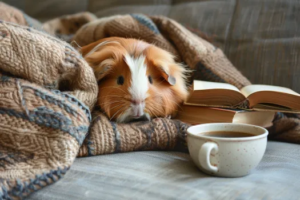
Hamsters can develop several skin problems, each with its own signs: mange mites cause hair loss, itching, redness, and ulcers; fleas, ticks, or larvae bring itching and wounds; ringworm shows as red, scaly, circular patches; bacteria cause inflammation, ulcers, and swelling; and allergies appear as red, itchy, inflamed skin. Any skin issue warrants a veterinary diagnosis and a targeted treatment plan. Keeping the cage clean and dry, offering regular sand baths, and feeding a varied, nutritious diet all help prevent problems and support the immune system.

Can Cat Flu Leave Lasting Effects After Recovery?
Feline rhinotracheitis (cat flu), caused by feline herpesvirus FHV-1, cannot be cured—the virus hides for life in the trigeminal ganglion and can reactivate whenever the cat is stressed, the season changes, or immunity dips. Most cats recover and live normally, but some are left with mild, manageable effects: a sensitive nose that drips in cold or dusty air, heavier tear staining from narrowed tear ducts, or—in high-risk cases—repeated flare-ups that can progress to chronic bronchitis or pneumonia. Good care (warm stable surroundings, humidity control, stress avoidance, balanced nutrition with lysine and vitamins, and regular vaccines) keeps recurrence rare. This article explains the sequelae, why only some cats get them, and how to minimize repeat episodes.

Can a Paralyzed Dog Walk Again?
Paralysis in dogs has many causes, but in some cases a dog can regain the ability to stand with proper care. Follow your veterinarian's advice and give your dog patient, consistent nursing. Treatment and recovery time vary with the cause and severity, so persistence matters and giving up should not be an option. Support rehabilitation through gentle walks, limb massage, and other exercises your vet recommends to help your dog recover as fully as possible.

What Vegetables Can Guinea Pigs Eat?
Guinea pigs are easygoing eaters, and the right vegetables are a healthy part of their diet. Good choices include carrots, rich in vitamin A and beta-carotene for eyes and skin and low in calories; spinach, full of vitamin C, K, and folate for bones and heart, but only in small amounts because its oxalates can strain the kidneys; broccoli, with vitamin C, K, minerals, and compounds that may lower cancer risk; choy sum, a low-fat, high-fiber green that aids digestion; lettuce, low-calorie and hydrating; and tomatoes, packed with vitamin C, A, B, and the lycopene antioxidant. Keep portions modest: too many vegetables at once flood the gut with water and can cause diarrhea or soft stool. Serve only fresh produce and clear leftovers promptly so spoiled food does not trigger gut inflammation or mold poisoning, and vary the vegetables to balance nutrition with their regular feed.

Why Are Cats Allergic to Grains?
Many cats are allergic to certain grains, and the reasons tie to genes and digestion. Grains are common fillers and cheap protein sources in low-cost cat food, packed with carbohydrates, but cats are carnivores whose digestive systems are poor at handling large amounts of carbs. Too many grains burden the gut and can trigger allergic reactions, and genetics also matter: each cat differs, with some rarely reacting and others reacting easily. Symptoms include vomiting, diarrhea, itch, and skin inflammation, so see a vet if you suspect a grain allergy. The fix is to remove grains from the diet by choosing high-quality meat-based food, such as chicken or beef recipes, and avoiding wheat or corn, while skipping poor-quality meats with many additives. Add gut-friendly probiotics and fiber, and if the trigger is unclear or your cat is prone to reactions, use a hypoallergenic diet built on easily digested proteins with no grains or additives. Food allergies cannot be cured, so careful lifelong diet management is the key to keeping reactions away.