Search Results
2323 results for “inflammation”
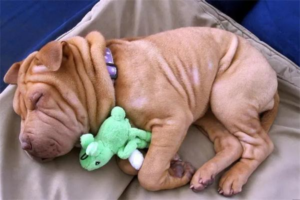
How to Handle a Dog with Engorged Milk (Mammary Congestion)
Mild engorgement eases if the puppies nurse often to keep milk flowing; if there are too few or they can't suck well, hand-express or use a pump gently. For hard lumps, massage the gland and apply a warm towel for 10-15 minutes daily. If redness, heat, pain, or discharge appear (mastitis), see a vet promptly for antibiotics or drainage.

Signs of Cat Depression
Depressed cats often sleep far more than usual, lose interest in food and play, become withdrawn, and may over-groom to the point of bald patches or skin inflammation. If you notice these changes, schedule a veterinary check-up to rule out illness, then focus on comfort, routine, and companionship — with medication only under veterinary guidance.
Are there any downsides to keeping a Bichon Frise?
Bichons are low-risk but demanding: they need constant companionship, regular grooming, mouth-fur cleaning, and ear care. The main trade-offs are time and grooming expense.

What Are the Common Eye Diseases in Dogs?
Dogs can develop several common eye problems, including conjunctivitis, keratitis, entropion, and cataracts, each with distinct signs such as redness, tearing, cloudiness, or a whitish discoloration. Some breeds are more prone to certain conditions, but daily eye checks and prompt cleaning of discharge go a long way toward prevention.
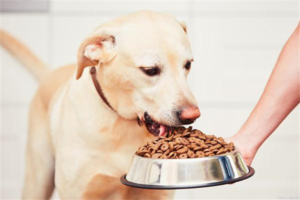
Which Dogs Should Eat Low-Fat Food?
Low-fat dog food suits dogs that need to cut back on fat: overweight or obese dogs, those with pancreatitis and similar illnesses, seniors, low-activity dogs, and dogs with sensitive stomachs. Healthy dogs can have some, but not as a long-term staple, since too little fat can harm the skin, coat, and immune system.
Why Dogs with Pancreatitis Need Prescription Diet Food
Pancreatitis makes the pancreas digest itself when digestive enzymes activate too early, causing severe pain and inflammation. Treatment pairs medication with a low-fat prescription diet that eases the pancreatic workload — fat is held under 10%, uses easy-to-absorb medium-chain fatty acids, and adds antioxidants and omega-3s to aid healing. Always follow your vet's choice, since formulas vary with complications like diabetes or kidney disease.

Why Is Your Dog’s Paw Swollen?
A swollen paw can stem from many causes — a sprain or knock, interdigital dermatitis, bacterial or fungal infection, parasites, or allergies. Check the paw for wounds or infection; clean and treat minor cuts promptly, use antibiotics for serious infection, and see a vet if you can't pin down the cause.
Why is my cat vomiting saliva-like mucus?
Saliva-like vomit can come from indigestion, gastroenteritis, hairballs or a foreign object in the mouth. Probiotics, hairball paste or removing the object can help depending on the cause.

How to Treat Dog Folliculitis
Dog folliculitis starts with clogged follicles and secondary bacterial infection; treatment aims to kill bacteria, soothe inflammation, and keep the area clean and dry. Disinfect the spot and apply an antibiotic ointment (e.g., erythromycin), or use oral/injected antibiotics for severe cases, plus a medicated bath and an Elizabethan collar. See a vet if it doesn't improve.

What to Do When a Cat Refuses to Eat
A cat that won't eat may be picky, stressed, or ill. Long fasting is dangerous — cats can develop fatty liver (hepatic lipidosis) in just a few days — so act fast. Check for other symptoms and oral pain, try a tastier food in a calm setting, and if it still refuses, see a vet and get energy support.