Search Results
2323 results for “inflammation”

Cat Frequent Urination with Small Volume: Causes and Medication
Frequent, small-volume urination in cats is usually a urinary-tract problem — urethritis, cystitis or urolithiasis. Start with a diuretic and a pet-safe anti-inflammatory to ease pain and infection, encourage water intake, and if there is no improvement see a vet to rule out stones blocking the urethra.
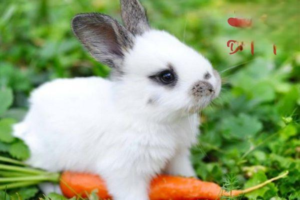
Should Rabbits Fast Before Spay or Neuter Surgery?
Rabbits should NOT be fasted before spay or neuter — they do not vomit under anesthesia, and an empty gut raises the risk of fatal gastrointestinal stasis. Spaying females at 1–2 years and neutering males around 6 months lowers reproductive-disease risk, and after surgery keep the environment calm, offer plenty of water and food, and watch the incision for infection.

What Ointment Helps Cat Chin Acne Heal Faster?
Feline chin acne is a follicle inflammation; treat it with antibacterial ointments such as erythromycin, mupirocin or tetracycline, and switch your cat to a ceramic, stainless-steel or glass bowl instead of plastic. Keep the chin dry and choose pet-specific skin products, since human medication can irritate a cat's skin.

Why Is My Rabbit Passing Blood in Its Stool?
Blood in a rabbit's stool is alarming and should never be ignored. Causes include constipation from dry food and low water intake, parasite overload, enteritis (which can rupture local capillaries), and rectal tumors or polyps. Treatment matches the cause—diet and hydration for constipation, deworming for parasites, antibiotics for enteritis, and prompt surgery consult for growths.

Causes and Pathological Analysis of Turtle Enteritis
Turtle enteritis is usually triggered by a sharp drop in enclosure temperature or spoiled food, and good husbandry and careful feeding prevent most cases. This article covers the causes, the staged symptoms (from mild loose stools to severe floating, refusal to eat, and limb weakness), and the pathology—where lost electrolytes weaken the gut's absorption and must be replenished—plus treatment centered on anti-inflammatory, anti-diarrheal, and mucosal care.

Causes and Solutions for Blood in Cat Urine
Blood in a cat's urine most often points to a problem in the urinary tract—such as cystitis, urethritis, or bladder stones—but it can also come from diet, heat cycles, food poisoning, or a dirty litter box. Treatment ranges from urinary-support supplements and veterinary care for stones, to diet adjustments, hydration, spaying after heat, and prompt hospital visits for severe poisoning.

Common Parrot Eye Diseases and Their Treatments
Parrots commonly develop keratitis, conjunctivitis, and cataracts, usually from cage scratches, injury, infection, or nutrition gaps. Most are manageable with prompt cleaning, antibiotic drops, or surgery for cataracts, but prevention through a clean environment is best.

How to Tell If a Parrot Is Healthy
Choose a healthy parrot by checking bright clear eyes, glossy plumage, intact strong feet, loud penetrating vocalizations, and a clean living environment. Avoid birds kept in dirty conditions even if they look fine, as they may carry disease.

Shandong Lion Cat
The Shandong Lion Cat is mainly seen in zoos in Beijing, Shanghai, Tianjin, Jinan, and Qingdao in China, and rarely abroad in Japan and Singapore. It is called the Shandong Lion Cat because it looks like a lion, with long, fluffy fur.

Siberian
The Siberian Forest Cat, shortened to Siberian Cat, has the earliest written records from the 11th century: it was a very common cat in Russian markets and Siberian villages. Living in a harsh country, it is covered in long fur with a thick ruff around the neck. Its outer guard hairs are hard, smooth, and oily, and its dense undercoat resists the Siberian cold.