Search Results
2323 results for “inflammation”
Why does my newborn kitten have wounds on its hind legs?
Purulent skin wounds on a newborn kitten's legs are usually a sign of infection and inflammation, possibly caused by skin trauma or bacteria. If possible, take the kitten to a vet for a skin scraping and microscopic exam to identify the cause before medication. For home care, flush the wound with hydrogen peroxide or saline, wipe away discharge, disinfect with iodine, and keep it dry.
Why are my cat’s eyes red?
Red eyes in a cat may indicate inflammation in the eye area; use antibacterial anti-inflammatory eye drops to relieve symptoms. Check for other abnormalities and remove any foreign objects with tweezers or rinse with eye drops. If redness doesn't improve, see a vet.
My silver tabby male cat has tail dermatitis and licks it—should he wear an Elizabethan collar?
Tail dermatitis in a male cat may be caused by stud tail, common in unneutered males due to excess sebaceous secretion, leading to oily fur, blackheads, and acne, and in severe cases itching and dermatitis. An Elizabethan collar is generally needed to prevent licking; clean with 3% hydrogen peroxide then saline, apply antibiotic ointment. Avoid Pi Te Fen solution (antifungal) unless fungal infection is confirmed. If no breeding plan, neuter to reduce hormones.
Today I noticed my cat constantly licking its paws – the toes are inflamed, red, swollen, and bleeding.
Redness, swelling, and inflammation between a cat's toes is considered local inflammatory irritation; the swelling may be caused by the cat's own licking, or it may be triggered by a toe injury or fungal infection. When a cat's toes become inflamed and it licks them often, it is recommended to first fit an Elizabethan collar to prevent licking, then clean the local fur and scabs and apply a topical anti-inflammatory, de-swelling medication consistently for a period. If there is no improvement, it may be a skin condition from a fungal infection of the paw pads, so take the cat to the hospital for a scraping or Wood's-lamp exam to confirm. A fungal infection requires antifungal ointment, keeping the affected area dry, and regular B-vitamin supplementation.
I have a gray lop-eared rabbit. Today its fur was matted and I couldn’t comb it out, so I used scissors and accidentally cut a small wound in its skin – a little blood at first, and after disinfecting with povidone-iodine the flesh looks whitish.
If you accidentally cut a rabbit's skin, choose the care method according to the wound's size. If the opening is large and looks hard to heal, take the rabbit to the hospital for debridement and suturing. For a small wound with exposed flesh, first shave the fur around it with clippers (avoid scissors), then after exposing the wound, use a cotton swab with hydrogen peroxide or povidone-iodine to gently wipe and disinfect the rabbit's wound, and sprinkle an appropriate amount of pet wound powder (such as Chongsuohe) to fully cover the wound. If needed, pad the wound with cotton and wrap with sterile gauze, not too tightly to avoid poor circulation or inflammation. Watch for discharge and change gauze daily (about three times), keeping the area dry and away from water. Fit an Elizabethan collar to prevent licking; with patient care it usually heals in 7-15 days.
One of my dog’s eyes is bulging out, but the other eye isn’t – what’s going on?
From your photo, the dog's eye shows inflammation and swelling of the upper eyelid, which may be eye-membrane injury caused by inflammation, foreign-body irritation, or an allergic reaction - for instance, when the eye itches or feels like something is in it, the dog scratches with its paw and over-stimulates the area, causing eyelid swelling; this can also be triggered by an allergy to certain medications. If you cannot get to a hospital right away, first rinse the dog's eye at home with saline to wash out residual medication and inflammatory discharge, then use neomycin sulfate eye drops (such as Langdoqing) plus chlortetracycline or erythromycin ointment applied around the eye, three times a day. Monitor the dog's condition; if there is no improvement, take it to the vet promptly. Or do the simple care first, then take the dog to a veterinary hospital when you can to determine the exact degree of eye damage.
Why are my Husky’s front legs trembling and weak?
A Husky's front-leg trembling and weakness may be caused by malnutrition, neurological disease, insufficient exercise, trauma, or pain. Some neurological diseases in Huskies can cause symptoms such as muscle weakness and trembling. In addition, if the Husky develops muscle problems like injury, inflammation, or atrophy, it can also lead to front-leg trembling and weakness. Malnutrition, fatigue, overexercise, or aging may also be the cause. If the trembling and weakness persist or worsen, take the dog to a veterinary hospital promptly for an examination to determine the specific cause and provide appropriate treatment.
My dog is a male; yellow-green pus is dripping from his genitals. What medication should I use?
Yellow-green purulent discharge from a dog's genitals may be caused by urethritis, a urinary tract infection, or other inflammation of the urinary system. It is recommended to take the dog to a veterinary hospital for examination to confirm the cause and give targeted treatment. Pus from the urethral opening means the dog may have a suppurative urinary infection; if not treated promptly, as the condition progresses it can affect the whole body and lead to sepsis. If it is a female dog with yellow-green genital discharge, reproductive-system issues should also be considered.
Why does my Pug keep dry-coughing?
A Pug's constant dry cough can be caused by several factors. For example, the throat or trachea may be irritated - such as by inhaled dust or a foreign object - leading to throat irritation. Also, the Pug may develop a cough from a respiratory infection or inflammation. In addition, the Pug may be having an allergic reaction to certain substances or environments, producing a cough. Heart disease, organ disorders, and other conditions can also cause a Pug to cough. If the dry coughing persists, take the dog to a veterinary hospital promptly for examination and treatment.
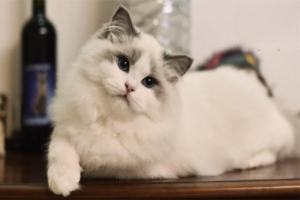
Why Does Your Cat Have One Eye Smaller Than the Other?
A cat with uneven eyes is not always sick; it can be genetic, or from feline herpesvirus (cat flu), an irritant, injury, heat, or an eye disease like conjunctivitis. Match the sign to other symptoms and see a vet if infection is likely.