Search Results
875 results for “indoor”

What to Do When Your Dog Refuses All Food
A healthy dog rarely skips meals for long, but a sick one may stop eating for many reasons, from pickiness to infection. Find the cause first: fix feeding habits, add exercise, keep up deworming, and see a vet when illness signs appear.

Does My Cat Really Need Deworming?
Even cats that never go outside can still pick up internal and external parasites, because owners may unknowingly carry flea eggs and worm larvae home on their shoes and clothing. Routine deworming plus a clean, regularly disinfected living space is the most reliable way to keep a cat parasite-free.

What to Do If Your Dog Has Worms in the Eye
Parasites in a dog's eye need urgent vet care to avoid infection or blindness. Signs include red, swollen conjunctiva, watering, and squinting; don't use random drugs. Combine internal and external deworming, keep the home insect-free, and avoid tall grass after recovery.

Does a Kitten Need Deworming?
Kittens do need deworming, but wait until about 2.5–3 months old unless a vet advises earlier. Parasites pass through the mother, food, and contact, so a post-weaning kitten exploring the world is at real risk. Use a broad-spectrum product and keep up monthly external protection.
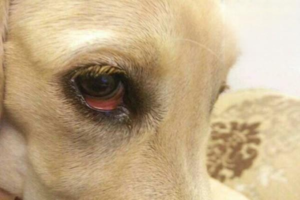
Does a Red Eye Mean Rabies?
A red eye by itself is almost never rabies; conjunctivitis or keratitis is the usual cause, while rabies adds fear of water, light, and aggression. Treat the eye with vet drops, and vaccinate against rabies.

Red Bump Above a Dog’s Eye
A red bump above the eye may be inflammation or a polyp, and only a vet can tell if surgery is needed. Drops treat conjunctivitis and related issues, while clean air and quick vet visits protect the eye.

How to Treat a Cat’s Fungal Skin Infection
Cats get fungal skin infections when their skin barrier is weak, from warm indoor air, play wounds, contact with infected cats, or low immunity. Treatment means clipping and medicating the spot, stopping licking, and boosting nutrition until it clears.

Schnauzer With Bumps and Scabs on the Skin
Bumps and scabs on a Schnauzer's skin usually point to a parasite problem or a fungal or bacterial infection. Small affected areas can often be managed at home with gentle cleaning and a vet-recommended spray, but widespread or worsening lesions need a vet visit.
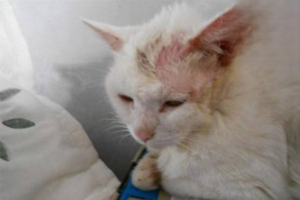
What to Do When a Kitten Has Ringworm
Ringworm is a fungal, contagious skin disease that can pass between cats and people, so isolate and disinfect at once. It shows as circular scaly patches and hair loss on the body, head, legs, and tail, with relentless itching. Treatment is shaving, topical medication, an Elizabethan collar, and a clean, well-ventilated environment plus good nutrition.

What to Do When Your Dog Is Both Vomiting and Having Diarrhea
A dog's fragile gut makes vomiting-plus-diarrhea common, from gut irritation and colds to irregular feeding. Start with an 8–12 hour fast from food and water, then rule out parvovirus, distemper, or coronavirus if unvaccinated and severe. Keep food bland, warm the dog for colds, and train 'leave it' to avoid road food.