Search Results
875 results for “indoor”

How to Prevent Toxoplasmosis in Cats
Toxoplasmosis spreads mainly through cat faeces and infected raw meat, showing as chronic weight loss and anaemia or acute fever above 40°C with breathing trouble — and it can cause miscarriage in pregnant queens. Keep cats indoors, deworm regularly with a product that targets the parasite, cook any meat you feed, and clear litter with gloves to stay safe.

Do Cats Get Cold Outside in Winter?
Cats do feel the cold despite their thick coats, and once temperatures drop past what they can bear they get chilled and sick — so bring outdoor cats inside in winter. Raise food a little (they burn energy faster), keep them moving and sunny, dress them for outings, and shield pregnant cats and drafts to avoid winter colds and pneumonia.

Common Myths About Vaccinating Your Cat
Two myths mislead cat owners: that indoor cats don't need vaccines (you carry pathogens home on shoes and clothes, so the FVRCP plus rabies is still needed), and that one round lasts for life (antibodies fade, so annual boosters — or a titer check — matter). Before vaccinating, skip sick, parasitic, wounded, newly arrived, or pregnant cats, and watch for 30 minutes after for allergic reaction.

How to Treat Dog Pneumonia
Pneumonia treatment centers on antibiotics, cough and phlegm relief, and supportive care; severe cases need hospital equipment. Keep the air fresh, skip dry kibble for a warm meat broth, and keep the dog warm.

How to Train a Shiba Inu
Shiba training is worth starting young: fixed-spot potty, brief reward-based sessions, set feeding times, and recall training (crucial, since a Shiba may wander or even bite if its follow skills are poor).

Why Your Dog Sneezes
Dogs sneeze from strong smells (air fresheners, perfume), a mild cold, or just excitement while playing. Ventilate after spraying scents, keep a sneezing dog warm, and use pet (not human) cold medicine.
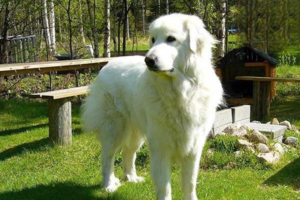
Is the Teacup Dog Easy to Keep? How to Raise One
Teacup pups need regular, balanced, measured meals (70–80% full) and clean bowls. Watch stool and urine for health cues, keep the belly off cold floors, and skip leashed walks before 5 months so growing bones don’t deform.

Pekingese Lifespan and Care
The Pekingese lives a long life — typically 14–15 years and sometimes up to 20, with a recorded record of 34. Keep yours healthy with a light, nutrient-supplemented diet, regular gentle grooming and bathing, and a cool, calm environment away from heat and humidity.

Why Pets Need Vaccinations
Even indoor pets catch viruses carried in on shoes and hands, so vaccination is not optional. Core threats include distemper and parvovirus in dogs and panleukopenia, herpes, and calicivirus in cats — and untreated infection can be fatal despite treatment.

How to Keep Pets Warm (Without the Common Mistakes)
Dogs stay comfortable roughly between 0–25°C and self-regulate, so over-bundling can backfire. Skip space-heater overuse, only clothe frail, young, old, or post-birth pets, and keep short, sensible outings instead of locking them indoors.