Search Results
165 results for “independent dog”

What to Do When Your Cat and Dog Fight
Cats and dogs can live together peacefully with the right setup. Feed rivals separately, keep newcomers apart until they are familiar, and step in early at any bullying.

What Your Dog’s Sleeping Spot Says About Your Bond
Where a dog sleeps reveals how safe and attached it feels. Following you, hiding under furniture, claiming your bed, or resting calmly in its own crate each tells a different story about trust and independence.
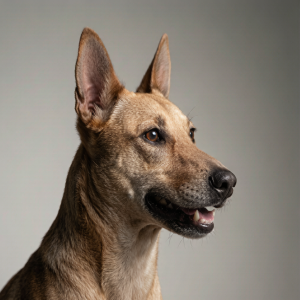
Why Is a Dog’s Hearing So Sharp?
A dog hears roughly 15 to 65,000 Hz — far wider than humans — and 18 ear muscles let each ear swivel toward a sound. Evolution shaped this keen sense to detect threats and prey long before dogs shared our homes.

Are Cats Really Impossible to Bond With?
An Oregon study found over half of cats chose their owner over food or toys, and a cat that seems aloof still shows love through kneading, head-butts, belly displays, and following you everywhere. Cats that were stray before three months may stay wary, but 'untamable' is a myth — often it's the person who fails to connect.

Shiba Inu vs. Akita: Key Differences
The Shiba looks like a smaller Akita; they differ in coat, size, color, head, muzzle, and tail. The Akita is a large, calm, loyal guardian (standard ~66 cm), while the Shiba is a small (~39.5 cm), independent, bold companion with a curled tail.

Do Cats Really Love Their Owners?
Cats bond with their owners every bit as deeply as dogs do; they simply express it more quietly. Head-rubs, sleeping on you, purring, belly-up play, long eye contact, and bringing "gifts" are all signs of trust, and a cat only shows its true feelings once it fully relies on you.

Why Cats Get Annoyed — and How to Make Up Afterward
Cats are territorial and sensitive to pressure, so the fastest ways to annoy one are bringing home another cat, pointing a finger at it, or handling it too roughly. Once you have upset a cat, give it space, approach calmly, and win it back with a soft voice, a slow blink, and a treat.

Why Is a Pomeranian Hard to Care For?
Pomeranians are prone to eye trouble, skin problems, and joint disease, need frequent coat brushing or they mat and shed, are smart but independent so they demand training, and cling to people so they risk separation anxiety when left alone. Caring for one means regular brushing, early training, portion control to avoid obesity, daily activity, routine vet checks with vaccines and deworming, and hygiene for eyes, ears, and teeth.

Feline Depression: Symptoms and How to Help Your Cat Recover
Cats can develop depression when they receive too little attention, face a sudden change in environment, or are naturally sensitive and insecure. Telltale signs include loss of appetite, weight loss, excessive shedding, lethargy, and hormone imbalances, and while medication only masks the symptoms, regular companionship and play are what actually help a cat recover.

Things Cats Hate the Most
Loving a cat does not mean spoiling it endlessly. Cat-owner essentials: do you know what this cleverer-than-dogs creature hates? To grow closer to your cat, understand it fully, give it what it wants, and let it live happily.