Search Results
143 results for “incontinence”

The Dangers of a Dog Holding Its Urine
Many owners know holding urine is harmful but aren't sure what counts as 'holding it.' Veterinary medicine offers two views: one links urination frequency to breed, sex, size, and health; the other says it depends entirely on the individual—diet, activity, water, and age. Either way, puppies urinate more than adults. Cesar Millan notes a healthy dog makes 10–20 ml of urine per kg of body weight daily and an adult needs to urinate at least 3–5 times outdoors daily; puppies need more. Trained dogs learn to hold, but don't assume that's fine—frequent holders are more prone to UTIs and urinary disease. Long holding lets stored urine contact the tract, causing infection and even stones; one study links a urinary carcinogen contacting tract cells for long periods to higher risk of some urinary cancers. No proven upper limit, but experts advise not exceeding 8 hours. Resulting diseases include UTIs (common in females), bladder stones (can block the urethra—emergency), aggressive bladder cancer, kidney failure, incontinence (spayed females), and prostate disease (males; blood in urine).

Why Does My Dog Urinate in the House?
When a normally clean adult dog urinates indoors while you are out, scolding and punishment aren't the only responses to consider—why is your adult dog doing this? Puppies peeing inside is just the cost of dog ownership, so we focus on adults. Occasional accidents are normal ('nature calls'), but frequent, repeated indoor urination deserves attention, because it brings urine odor and possibly other problems. Medical causes: urinary disease (often a UTI causing random urination, usually treatable with medication); incontinence (dribbling or peeing while sleeping points to incontinence, treatable early with medication; large-area urination suggests something worse—see a vet); senior dogs (canine cognitive dysfunction makes them forget where they are, causing accidents). If your dog is healthy and not old, the cause is behavioral: intact males may mark after sexual maturity—normal—but a dog that never peed inside suddenly doing so may be stressed by household changes (a new member, a departure, new smelly or noisy objects). To change it: don't yell—catching the act in the moment matters, not the old puddle; remove or relocate the trigger; and clean thoroughly with an enzymatic cleaner that fully removes the odor so the dog doesn't remark the spot.

How to Bathe a Guinea Pig
Guinea pigs are cute and soft, but their long coats collect dust and bacteria, so occasional cleaning is part of good care. Most of the time a spot clean with dry shampoo or a damp cloth is enough, and a full bath with pet shampoo is only needed when they are smelly or dirty. Done gently and kept short, bath time is safe and stress-free. This guide walks through the bathing steps and the key cautions—including why dust baths, beloved by hamsters, are wrong for guinea pigs.
What are the signs a dog shows before death?
Before death, a dog typically shows lethargy, slow movement, drowsiness, lowered body temperature, dilated pupils, a weak pulse, incontinence, and loss of appetite or refusal to drink. It withdraws to a quiet corner, and some dogs that sense the end may run away to a hidden, peaceful spot to wait.
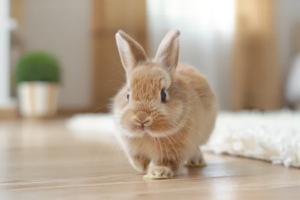
Common Urinary Tract Diseases in Rabbits
Rabbits often face urinary infections, urethral stones, and bladder stones, mostly from bacteria, low water intake, or too much calcium, while unspayed females are prone to uterine cancer. Infections show as incontinence and leaking; stones cause painful urination, blood, curling, teeth grinding, and can fully block the urethra. Bladder stones need fluid flushes and repair; urethral stones require surgery; uterine cancer needs tumor removal plus medication. Lower the risk by spaying early, keeping the habitat clean, ensuring ample water, and balancing the diet to avoid excess calcium.
Why does a patch of my cat’s skin have no fur and show raw pink skin?
Patchy fur loss that exposes raw skin in cats usually means one of several things: the cat pulling out its own fur from itch or anxiety (watch for incontinence or mood changes), ringworm (hair loss with scaling, needing vet screening), or damaged hair follicles from trauma or a recent injection. Each needs a different approach, so a vet check is the safe call.

Intervertebral Disc Disease in Dogs and Cats: Symptoms, Treatment, and Prevention
Intervertebral disc disease occurs when a degenerating disc bulges or ruptures and presses on the spinal cord, causing pain, numbness, and movement loss. It favors the thoracolumbar (about 85%) and cervical (about 15%) spine in small or chondrodystrophic dogs. Conservative rest and anti-inflammatories help mild cases; severe ones need decompressive surgery.

Chlorpromazine Poisoning in Dogs and Cats
Chlorpromazine, a phenothiazine sedative, depresses the brain when overdosed, causing low temperature, agitation, coma and skin reactions. Stopping the drug and supportive care with a respiratory stimulant are the main steps.

Sodium Fluoroacetate Poisoning in Dogs and Cats
Sodium fluoroacetate is a deadly rodenticide that, like fluoroacetamide, blocks cellular energy production and strikes the brain and heart. Signs include vomiting, incoordination, wild running, seizures and rapid death.

Organophosphate Pesticide Poisoning in Dogs and Cats
Organophosphate pesticides block the enzyme that breaks down acetylcholine, causing a cholinergic crisis with salivation, vomiting, muscle twitching and seizures. Rapid decontamination and veterinary antidotal therapy are essential.