Search Results
31 results for “immune mediated”
What causes encephalitis in dogs?
Canine encephalitis has infectious causes — viral, bacterial, and protozoal infections that progress over time — and non-infectious causes such as toxicity, immune-mediated disease, trauma, and tumors.
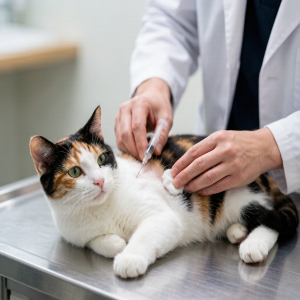
Feline Leukemia: Symptoms and Treatment
Feline AIDS and feline leukemia are topics owners avoid; clinically similar yet different. There is a separate article on feline AIDS for those interested.

What Eye Diseases Can Cats Develop?
The eyes are the windows to the soul; a cat's agility and charm are thanks to its eyes. Today we discuss feline eye diseases.

What to Do for Anemia in Cats
Anemia refers to a low red blood cell count. It can be caused by many different blood problems, including blood loss, damaged red blood cells, and insufficient red blood cell production.

What to Do About Contact Dermatitis in Dogs
Contact dermatitis is an uncommon skin condition in dogs, mainly caused by contact with plants, drugs, and various chemicals. It is less common in animals than in people because a dog's skin is well protected by its coat, so it appears on sparsely haired areas. This article explains the allergic and irritant types and how they are diagnosed and treated.

Dry Eye (Keratoconjunctivitis Sicca) in Dogs: Symptoms and Treatment
KCS, or dry eye, is an eye disease in dogs caused by a lack of the watery tear layer, an inflammation of the cornea and conjunctiva from dryness. This article explains the symptoms of dry eye and how it is diagnosed and treated.

Dog Ear Discharge: Symptoms and Treatment
Ear problems are among the most common dog complaints, and discharge is usually the first sign — most often from infection. Scratching and head-shaking start it, then secondary bacterial or yeast infection sets in. Here is how the vet works it up.

Sebaceous Adenitis in Pets: Symptoms, Diagnosis, and Treatment
Sebaceous adenitis (SA) is an immune-mediated disease that damages the sebaceous glands, leading to hair loss and scaliness. It varies by coat type and breed. Learn the signs, how it is diagnosed, and how it is managed long term.

Understanding Food Allergies in Cats
A food allergy is an immune reaction to a dietary protein, most often beef, dairy, or wheat, and can appear at any age. Itching, ear inflammation, and digestive upset are typical, and an elimination diet remains the only sure diagnosis.

How Abnormal Bleeding in Cats Is Diagnosed and Treated
Abnormal bleeding can come from many conditions involving platelets, clotting factors, or blood vessels, and it should never be ignored. Diagnosis relies on blood tests, imaging, and clotting assays, while treatment focuses on stopping the trigger and stabilizing the cat.
- « Previous
- 1
- 2
- 3
- 4
- Next »