Search Results
902 results for “illness sign”
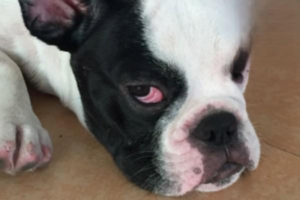
What to Do About a Dog’s Red Eye
A red eye signals inflammation or infection from allergens, bacteria, viruses, or parasites, and can hurt vision. A vet eye drop plus clean surroundings helps; see a vet early for any persistent redness.
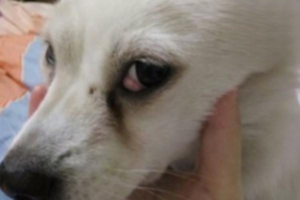
Red Bump Above a Dog’s Eye
A red bump above the eye may be inflammation or a polyp, and only a vet can tell if surgery is needed. Drops treat conjunctivitis and related issues, while clean air and quick vet visits protect the eye.

Puppy Tracheitis and Bronchitis: Symptoms and Treatment
Dog tracheitis and bronchitis come from repeated viral or bacterial infection plus cold, smoke, and dust irritation, but with good home care and the right medication the recovery rate tops 95%. Watch for cough, fever, and breathing trouble.

Dog Coronavirus: Treatment and Recovery
Dog coronavirus spreads through contact with infected feces and causes sudden vomiting, diarrhea, and lethargy, with cases able to relapse 14-21 days after signs fade. Supportive care, vet-prescribed meds, and gut-resting food let most dogs recover, but severe cases need a hospital.

What to Do When a Puppy Has Pus-Like Eye Discharge
Pus-like eye discharge in a puppy can mean a bacterial eye infection, dehydration from gut or systemic illness, or simply a diet too rich and salty. Match the cause to the treatment: gentle food and vitamins for dietary heat, antibiotic eye drops for infection, and prompt vet care for underlying disease or eyelid problems.

What to Do When an Old Dog Breathes Heavily
Heavy panting in senior dogs usually points to heart trouble — most often mitral valve degeneration or congestive heart failure — though pneumonia can also be the cause. These are emergencies in older dogs with weak immunity, so a prompt vet visit matters; early heart changes can be eased with medication, but advanced stages are hard to treat.

Why Your Dog Won’t Eat and What to Do
A dog skipping meals is often harmless — teething, heat, or pregnancy can suppress appetite temporarily — but it can also signal illness, picky behavior from too many treats, or gastritis from eating plants. Fix the feeding routine, offer tasty nutritious food, and see a vet when sickness is the cause.

Why Your Dog Vomits Thick Yellow Fluid
Thick yellow vomit usually means illness — acute gastritis or a viral infection such as parvovirus — and comes with lethargy, fever, and diarrhea. See a vet for treatment; mild cases may get medication, severe ones fluids. Encourage water, feed bland meals, and watch for dehydration or shaking.
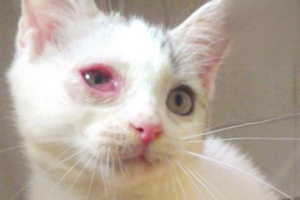
Why One of Your Cat’s Eyes Is Suddenly Red and Swollen
A cat with one red, swollen eye is usually reacting to conjunctivitis, a localized bacterial infection, or — less commonly — an internal viral illness such as panleukopenia. Matching the right treatment to the cause matters, because randomly applying eye drops can make the problem worse. Watch for other symptoms such as digestive upset, and see a vet if the eye does not improve.

Why Your Dog Can’t Open Its Eyes
A dog that won't open its eyes is usually dealing with conjunctivitis, irritation, or a trapped foreign object. Gently cleaning the eye, using vet-approved drops, and trimming stray lashes clears most mild cases, but yellow-green discharge with fever needs a vet visit.