Search Results
902 results for “illness sign”

Red Cap Oranda
The Red Cap Oranda is a prized Chinese fancy goldfish: an all-white body crowned by a high red wen like a crane's red crest. Peaceful but sensitive to water quality, it is easy to keep in 10–30°C soft, weakly alkaline water and thrives on digestible live foods rather than starchy flake.

Rana grylio
The Pig Frog (Rana grylio), named for its pig-like call, is a large aquatic frog from the southeastern United States, resembling a bullfrog but smaller (under 150 mm). A hardy, mostly carnivorous feeder that thrives in a clean, spacious, planted aquarium with live or cleverly presented food.
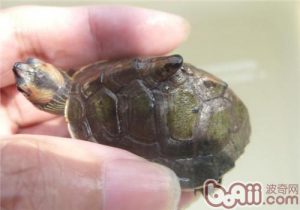
Indian Roofed Turtle
The Indian Roofed Turtle (Kachuga tecta) is one of the more common roofed turtles, recognizable by the distinctive raised black keel on its shell. Native to the rivers of the Indian subcontinent, it is a timid aquatic turtle that can enter hibernation.
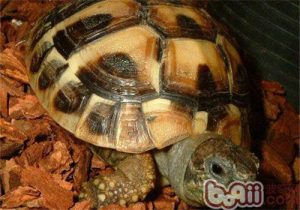
Western Hermann’s Tortoise
The Western Hermann's Tortoise (Testudo hermanni) is a common, beginner-friendly tortoise with undemanding environmental needs and good disease resistance, though it carries a relatively high price. Native to Spain and southern France, it is a Mediterranean-species herbivore that also occasionally takes animal prey.

FlemishGiant
The Flemish Giant is the largest domesticated rabbit breed in the world, originally from Belgium and recognized by the American Rabbit Breeders Association in seven coat colors. A gentle, docile, and hearty-eater companion that needs generous space and meticulous hygiene, it weighs 6–13 kg and lives around 5–8 years.

Multiple Myeloma in Dogs and Cats
Multiple myeloma is a malignant plasma-cell tumor of the bone marrow that overproduces immunoglobulin and is rare in dogs and cats. Signs include lameness, bone pain, anemia, bleeding, and weakness, with diagnosis by X-rays, bloodwork, and marrow sampling. Treatment is chemotherapy plus infection control.

Anterior Uveitis (Iridocyclitis) in Dogs and Cats
Anterior uveitis is inflammation of the iris and ciliary body in dogs and cats, causing pain, redness, and light sensitivity. It may arise from eye trauma, infection, or disease elsewhere in the body and requires prompt treatment to protect vision.

Canine and Feline Urticaria (Hives): Symptoms, Treatment, and Prevention
Urticaria, or hives, is an acute allergic skin reaction in dogs and cats that produces sudden, well-defined wheals and itching, usually fading within a day or two. Identifying and removing the trigger is the key to treatment and prevention.

Ataxia Syndrome in Dogs and Cats: Symptoms, Treatment, and Prevention
Ataxia syndrome is incoordination of the limbs from disease of the central nervous system, peripheral nerves, or the limbs themselves, often secondary to infection, poisoning, or inflammation. Signs vary by cause - from whole-body illness to local swelling, fracture, or tendon rupture. Treatment targets the underlying disease.

Suppurative Arthritis in Dogs and Cats: Symptoms, Treatment, and Prevention
Suppurative arthritis is infection of a joint by pyogenic bacteria, either carried in the blood or introduced through a penetrating wound, causing hot, painful swelling, fever, and lameness. Prompt drainage and antibiotic therapy are essential to save the joint and prevent spread; untreated it can rupture through the skin.