Search Results
24 results for “hydrochlorothiazide”

Symptoms of Urinary Stones in Male Cats
Because of their anatomy, male cats get urinary tract disease more than females; a common one is urinary stones, with signs split into full and partial urethral blockage. Here are the detailed symptoms and treatment.

Cat Urethritis: How Long to Recover and What Medicine to Use
Recovery from cat urethritis depends on the cause: a simple bacterial infection clears in about a week (up to 3 weeks if severe), while stones or parasites need 4–6 weeks with urine cultures. Treat bacterial cases with vet-prescribed antibiotics and keep the environment clean to avoid relapse.
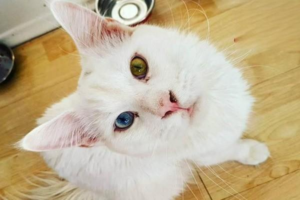
Why Isn’t a Neutered Male Cat Urinating?
No urination within 24 hours after neutering is normal, wound pain; beyond that, watch for stress-induced cystitis, urinary infection, stones, or even kidney failure, male cats are prone to urinary blockages. Diagnosis needs urine and blood tests plus imaging; treatment ranges from antibiotics and diuretics to stone removal or kidney support.

Cat Refuses the Litter Box and Pees Everywhere — What to Do
Cats are clean and learn the box fast; refusing it and peeing around may mean a too-small box, heat or urinary disease. Here is how to fix it.

Dog and Cat Reproductive Diseases: Signs and Routine Medication
Reproductive disease in dogs and cats is less common than other ills but easily missed. This guide covers testicular, prostatic, vulvar/vaginal, uterine, and mammary/navel inflammation with the drugs that help.
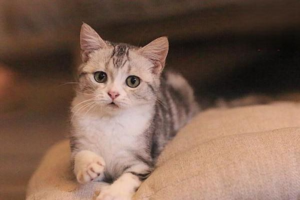
What Disease Causes Blood in Cat Urine?
Blood in cat urine usually means urinary stones or infection, with straining to pass small amounts. This guide covers the causes — low water, intact status, stress — and the tests and meds to use.

Dog Urine with Blood: Causes and What to Do
Blood in dog urine usually means tract injury or infection, but causes differ — urinary disease, an intact tom's mating friction, poisoning, or blood parasites. This guide covers each with the right treatment.

Why Is a Dog’s Urine Very Yellow?
Dark yellow urine means excess metabolites — usually 'heat' from diet or a urinary disease. This guide separates the two and the meds and diet fixes for each.
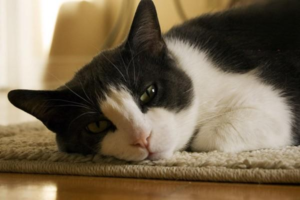
Is a Cat’s Yellow Urine with a Red Tint Serious?
Normal cat urine is clear and pale yellow. When it darkens and takes on a red tint, the cat may have a urinary tract infection, urolithiasis, or another lower-urinary problem that needs prompt veterinary attention.
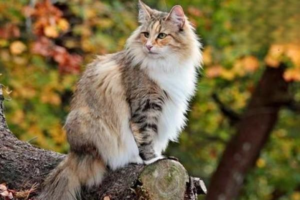
Why Is a Cat’s Urine Yellow (and What to Do)
Healthy cat urine is pale yellow; dark yellow can mean low water intake, 'heat,' or urinary disease. This guide covers the causes and the steps to hydrate, cool, and treat.