Search Results
319 results for “hydration”
What Are the Signs of Dehydration in Dogs?
Dehydration signs include reduced skin elasticity, lethargy, poor appetite, a dry nose, and thick sticky saliva. Dogs lose water fast by panting to cool down and from low water intake, so monitor drinking and ensure enough water.

Symptoms and Treatment of Dehydration in Dogs
Dehydration occurs when the body's water falls below normal levels, usually involving loss of water and electrolytes such as sodium, chlorine, and potassium. This article describes the signs of dehydration in dogs, how it is diagnosed, and how it is treated.
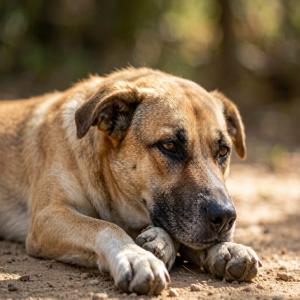
Causes and Diagnosis of Dehydration in Dogs
Dehydration can be caused by many diseases or abnormalities, which fall into two broad categories: reduced fluid intake and increased fluid loss. This article explains the common causes and how veterinarians grade dehydration severity by skin elasticity and lab tests.

What to Do When Your Cat Collapses from Diarrhea and Dehydration
Diarrhea can drain a cat's body of both fluid and essential electrolytes faster than most owners expect, and severe dehydration can spiral into shock. Knowing how to rehydrate at home and when the situation is an emergency is the difference between a quick recovery and a life-threatening crisis.
What does a one-month-old kitten eat?
At one month it's still on mother's milk; weaning is at ~1.5 months. Without milk, use kitten formula (goat milk), ~5 feeds/day. Never cow's milk (lactose intolerance -> vomiting/diarrhea/dehydration). Later add softened kibble and pate, mixed in gradually.

How to Reduce Shedding in Dogs
Less shedding starts with good hydration and balanced nutrition, plus regular brushing, a clean environment, routine baths, some sun, and deworming. Poor diet, dirty surroundings, and parasites are the usual culprits behind heavy, low-quality coat loss.
Do turtles need to bask in the sun often?
Turtles should bask often. Sunlight raises body temperature and aids metabolism and digestion, sterilizes the shell to prevent shell rot and skin infection, and promotes vitamin D for calcium absorption and a stronger shell. But avoid direct summer sun, which can dehydrate and kill them.
What are the symptoms of coccidiosis in cats?
Coccidiosis causes poor appetite, vomiting, diarrhea, jelly-like or bloody stools, malnutrition, and lethargy. Long/heavy infection brings anemia, dehydration, weight loss, pale gums, and dull coat. It spreads by contact; deworm regularly and use sulfa drugs if infected.

What Causes Enteritis in Chinchillas?
Chinchilla enteritis is linked to poor diet, an unstable environment, weak immunity, and low water intake. Prevent it with balanced nutrition, steady temperature and humidity, good hygiene, and clean fresh water.
How many days can a dog survive without food or water?
It depends on age and health. A healthy adult is in serious danger after 5–7 days; a puppy after about 3. Prolonged fasting causes severe dehydration, shock, or metabolic disease. If illness causes appetite loss, see a vet.