Search Results
21 results for “hunting posture”

Reading Your Cat’s Emotions Through Body Language
Cats show relaxation, happiness, play, fear, anger, and illness through posture, tail, eyes, and ears. Learning these signals helps you respond calmly and protect both of you.

Hilaire’s Toadhead Turtle
Hilaire's Toadhead Turtle (Phrynops hilarii) is a side-necked turtle in the toadhead genus, strongly affected by ambient temperature and closely tied to it in behavior. Delicate and hard to keep in captivity, it is not recommended as a first turtle.
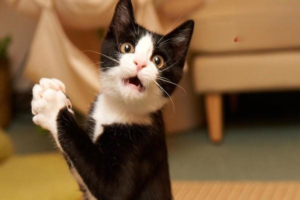
Why Does Your Cat Show You Its Belly?
When a cat rolls onto its back and exposes the belly, it's offering its most vulnerable point — a sign of complete trust and relaxation, not an open invitation to a rub. Watch the cues (a fixed stare or quick tail-flicks mean stop), and note that an unspayed female flashing her belly may simply be in heat.

How to Pet a Cat That Shows Its Belly
A cat showing its most vulnerable part means total trust—no doubt. But showing the belly doesn't mean 'permission to touch'; it's just ease and relaxation.

Do Cats Need Their Claws Trimmed
In the wild, cats use claws to hunt and climb. When scratching, they release scent to mark territory — but these behaviors can damage your furniture at home.

Reading Your Cat’s Body Language
A cat's purrs, ears, tail and posture all send messages. From the 'airplane ears' of annoyance to the belly-up trust and the thoughtful 'slow blink', learning these signals helps you understand and bond with your cat.
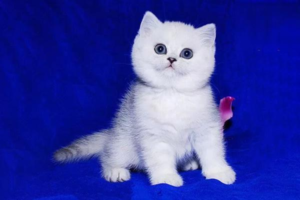
Do You Know Why Cats Wag Their Tails?
Cats do wag their tails, and the tail is a mood barometer: fast flicks mean displeasure, slow sway means a bit angry or hunting, a light slap means unhappy or about to attack, a tiny gentle wag toward you means affection, and a high tail shows confidence while a low one shows fear.
How obedient is the Cane Corso?
The Cane Corso is quite obedient and intelligent, quickly understanding and accurately executing commands, and reads the owner's tone and posture. This makes it easy to train as a fine guard, hunting, or police dog.
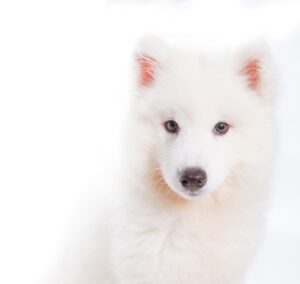
GreatPyrenees
The Great Pyrenees, also called the Pyrenean Mountain Dog, takes its name from its bear-like appearance. Originating in the Pyrenees between France and Spain, this majestic, powerful breed historically guarded flocks against bears and wolves.

Vizsla
The Vizsla, or Hungarian Pointer, is a medium-sized short-coated hunting dog of noble bearing from Hungary. Lively yet gentle, it combines the skills of pointer and retriever and makes a devoted family companion.