Search Results
201 results for “humidity”
What humidity and temperature suit a green iguana?
A green iguana's suitable daytime temperature is 28-32C, which supports normal activity and digestion. Nighttime can be slightly lower, around 24-27C, ensuring good sleep without getting too cold. Humidity is recommended at 60-80%; higher humidity mimics its tropical rainforest habitat, supporting skin and respiratory health and smooth shedding in juveniles.

Why Does Your Dog Have More Dandruff
Increased dandruff in dogs has many possible causes: dry climate, over-bathing or harsh products, low fat intake, poor nutrition, too much dietary salt, or an underlying skin condition. The right response depends on the trigger. In dry weather, add water and a soothing moisturizer; with a skin disease, a proper diagnosis and treatment are needed. Because the skin reflects overall health, identifying the root cause is the key to relieving flaky, itchy skin and keeping the coat healthy.

Goodbye Dog Smell: How to Cut Summer Odor
A dog's stronger summer smell comes from more active sebaceous glands plus humid air that speeds surface bacteria. The common "wash more when it stinks" reflex is wrong, frequent baths break the skin's oil barrier and make odor worse. Bathe every 2-3 weeks (short hair) or 1-2 weeks (long hair or active dogs), focusing on paws, groin, ears, and anal glands, using a pet shampoo with tea tree or rosemary. Brush teeth 2-3 times a week, give dental chews every few days, clean ears, feed quality protein with veggies, and wash the bed and toys while keeping the room aired. A sudden strong smell with red skin or hair loss needs a vet.
Can Cat Flu Leave Lasting Effects After Recovery?
Feline rhinotracheitis (cat flu), caused by feline herpesvirus FHV-1, cannot be cured—the virus hides for life in the trigeminal ganglion and can reactivate whenever the cat is stressed, the season changes, or immunity dips. Most cats recover and live normally, but some are left with mild, manageable effects: a sensitive nose that drips in cold or dusty air, heavier tear staining from narrowed tear ducts, or—in high-risk cases—repeated flare-ups that can progress to chronic bronchitis or pneumonia. Good care (warm stable surroundings, humidity control, stress avoidance, balanced nutrition with lysine and vitamins, and regular vaccines) keeps recurrence rare. This article explains the sequelae, why only some cats get them, and how to minimize repeat episodes.
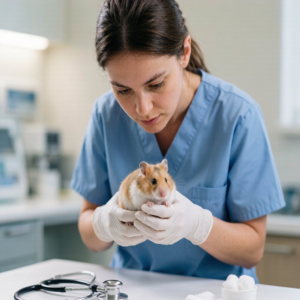
Common Diseases in Hamsters
Hamsters face several common diseases, including tumors, respiratory conditions, digestive problems, skin issues, and dental trouble. Some are easy to prevent, for example by offering chew tools so teeth stay the right length, which lowers the chance of dental disease. To protect your hamster, take preventive measures early, watch its behavior and symptoms closely, and visit a veterinary clinic promptly if anything seems wrong.
What to Know When Your Hamster Is Giving Birth
Breeding hamsters is easy, but the birth itself needs care. Keep the room at 20 to 25°C with 40 to 60 percent humidity; extremes or big temperature swings can stall labor or kill pups. Use a roomy, well-ventilated breeding box with platforms to climb and plenty of bedding, and because hamsters are solitary, move the male out right after pairing and pregnancy to prevent fights, injury, and miscarriage. The mother needs balanced nutrition, protein, fat, minerals, and vitamins, plus breeding feed or extras like mealworms, dried fruit, vegetables, and nuts, with fresh water always available. Watch the mother for poor appetite or weight loss and the pups for slow growth. Seek a vet for dystocia (water broken but no delivery, or a pup stuck partly out), nursing trouble, or postpartum infection shown by fever, diarrhea, or vomiting. A controlled environment, good food, and close observation keep the birth safe.
How to Keep Your Cat from Getting ‘Air-Conditioner Sickness’
Cats can suffer 'air-conditioner sickness'—discomfort from low temperature, dry air, poor ventilation, and big temperature swings—showing as sneezing, runny nose, loose stools, or even respiratory infection. To prevent it, keep the AC at 26–28°C and avoid direct drafts, hold indoor humidity at 50–60%, and warm weak cats with a soft bed off cold floors. Clean the filter every 2–3 weeks, ventilate daily, watch the cat's condition, and add 20–30 minutes of play. At the first mild signs, turn the AC off and offer warm water; see a vet if it worsens.
Why Do Cats Get Cracked Paw Pads?
Cracked paw pads are common in cats, but the cause determines the fix, so treatment should target the underlying issue. Overgrown keratin, the protective layer on the pad, can thicken from too much time on hard floors and too little movement, leading to cracks, so give cats soft surfaces and enough rest. Dry air and low water intake dry the pads out, making humidity control and constant access to fresh water essential. Poor nutrition, especially zinc deficiency, leaves pads dry and brittle, so feed a balanced, high-quality diet. External irritants like grass spines and parasites can also crack the skin, so check and clean the paws regularly. Fungal or bacterial infection brings redness, itch, pain, even bleeding, and needs cleaning, disinfecting, and the right medication. Keeping indoor humidity up, feeding good food, and ensuring hydration are the best defenses.
What Causes Cat Dacryocystitis (and How It’s Treated)
Cat dacryocystitis (inflammation of the tear ducts/sac) can stem from genetics, facial structure, environment, or eye disease. Flat-faced breeds like Persians and Exotic Shorthairs are prone to blocked ducts. Keep the eyes clean and the environment dust-free to prevent it. Treatment targets the cause: gentle cleaning and vet-guided drops (antibiotics, anti-inflammatories, lubricants), surgery for severe cases to clear the sac, and a clean, humidified home to ease symptoms.
How Often Should You Bathe Your Dog in Summer?
Bathing your dog once a week is usually too often. A dog's skin relies on its sebum layer to stay moist and protected; over-bathing strips it, causing dryness, worse odor, and skin infections. Frequency should follow coat type and lifestyle—indoor small dogs may need only every two to three weeks, while active outdoor dogs can go weekly. Between baths, wipes, toothbrushing, and ear care keep odor down.