Search Results
38 results for “humidifier”

Keeping Your Dog Free of Skin Problems in Summer
Summer's heat and humidity breed bacteria and parasites, so skin trouble spikes. Bathe and dry the coat with a pet shampoo, avoid strong midday sun to prevent burns, and keep the living space clean and dry. Use a monthly topical preventive with selamectin or fipronil to block fleas, lice, mites and ticks, and feed vitamins and protein to lift immunity. See a vet for itching, hair loss or rashes.

How to Give Your Cat a Glossy Coat
A dull, rough coat usually points to diet, poor care, environment or health. Feed balanced nutrition and add supplements such as lecithin, fish oil and vitamins to lift coat quality. Brush often to clear dead skin and boost circulation, bathe gently as needed, and keep fresh water available. Avoid harsh sun or dry air, and schedule regular checks so skin infection, parasites or other illness are not the hidden cause.
What to Do When Your Cat’s Voice Is Hoarse
A hoarse cat can result from infection, a cold, laryngitis, or strained vocal cords. Watch for fever, cough, sneezing, or runny nose; if present, a vet-formulated cold and anti-inflammatory remedy may help, and severe cases need a clinic. With no other signs, give plenty of water and soft food to ease throat irritation, keep the cat undisturbed to rest, and away from smoke, chemical odors, and dust that aggravate the throat. Most cases are temporary and improve with rest and humidity.

Green Iguana
The classic large pet lizard - arboreal, personable, but a serious 2 m, 20-year commitment needing big vertical space, heat and UVB.
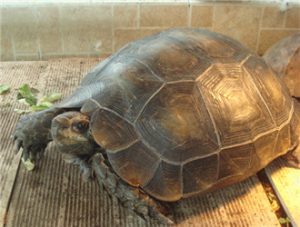
Burmese Mountain Tortoise
The Burmese Mountain Tortoise (Manouria emys) is one of Asia's largest tortoises, a shy forest dweller from western India to Vietnam and Sumatra. It loves warmth and humidity, shuns bright light, and is a committed herbivore that rarely accepts animal food.

How to Care for Your Cat in Winter
Cats feel the cold more than their fluffy looks suggest. Warm, safe bedding, careful heating, steady nutrition, and a little extra grooming keep your cat healthy through the winter — and so do the stray cats sheltering by your car.

How to Care for Your Cat’s Nose in Dry Winter
Winter's dry air cracks and chaps a cat's nose, so add humidity, ease outdoor trips, and keep nutrition balanced. A persistently dry, hot nose with fever needs a vet.

Caring for Cracked Cat Claws in Winter
Cold, dry winter makes a cat's claws brittle and prone to cracking, usually from low humidity and low body moisture. Left uncared for, a simple crack can become infected nail beds and sore paws. More water in the diet and a humidifier at home protect the claws.
- « Previous
- 1
- 2
- 3
- 4