Search Results
4338 results for “how to pet a dog”

Types and Causes of Dog Pancreatitis
Dog pancreatitis has two types: acute and chronic, with different symptoms and treatments. Main causes: genetics, back injury, over-vaccination, and poor diet. Here is the detailed breakdown.

Why High-Carbohydrate Food Triggers Pancreatitis in Dogs
Many pancreatitis cases come from poor diet, mainly high-carbohydrate and high-fat food. Why does high-carb food trigger pancreatitis in dogs? Here is the analysis.

How to Diagnose and Treat Pet Pancreatitis
Diagnosing pet pancreatitis needs pancreatic-enzyme tests, upper-abdomen CT, and a complete blood count. The earlier it is diagnosed, the easier to treat. Acute and chronic pancreatitis differ in treatment. Here is how to diagnose and treat pet pancreatitis.
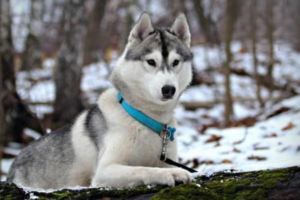
How to Relieve Vomiting and Diarrhea from Dog Pancreatitis
Dog pancreatitis is mostly from irregular meals and overeating. Vomiting and diarrhea are common signs, along with arched back from pain, blood in stool, and fever. Here is how to ease and treat these symptoms.

Can Dog Interdigital Dermatitis Heal on Its Own?
The medical name for dog interdigital dermatitis is interdigital pyoderma, caused by fungi, bacteria, mites, and more. Without timely treatment it will not heal on its own and may worsen. Here is what owners should know.

What to Do When Dog Pyoderma Is Severe, and Which Medicines Help
What to do when dog pyoderma is severe? Pyoderma starts mild, but without prompt, correct treatment it can spread into widespread dermatitis with discharge, pus, and pustules. Here is how to handle severe dog pyoderma and which medicines to use.

What Medicine to Use for Dog Pyoderma with Pustules and Sores
Pustules and sores on a dog's skin are usually a sign of pyoderma. There are many causes, but mild cases can be treated at home with anti-inflammatory, antibacterial medication. Here is what dog pyoderma is and which medicines help.

How to Treat Bacterial Pyoderma in Dogs
Bacterial pyoderma in dogs is a bacterial skin disease caused by pathogens such as streptococci and Corynebacterium. Treatment focuses on reducing inflammation and fighting infection. Here is how to handle bacterial pyoderma in dogs.
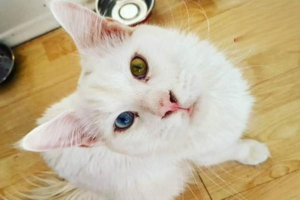
Pharyngitis in Cats and Dogs
Pharyngitis in cats and dogs is inflammation of the pharyngeal mucosa or deeper tissues. Its clinical signs are drooling, difficulty swallowing, and a swollen, sensitive throat. It is especially common in short-faced dog breeds because their long soft palates or everted saccules cause reflux of food or water. Here is a detailed look at its causes, signs, and treatment.

Yes, Dogs Can Get Pharyngitis Too
Dogs are popular family pets, and their numbers keep growing. But dogs have weaker resistance and are greedy eaters, so inflammations like pharyngitis are common. Here is what every owner should know about the causes, symptoms, and treatment of dog pharyngitis.