Search Results
4334 results for “how to pet a dog”

Schnauzer With Bumps and Scabs on the Skin
Bumps and scabs on a Schnauzer's skin usually point to a parasite problem or a fungal or bacterial infection. Small affected areas can often be managed at home with gentle cleaning and a vet-recommended spray, but widespread or worsening lesions need a vet visit.

What to Do When a Puppy Has Pus-Like Eye Discharge
Pus-like eye discharge in a puppy can mean a bacterial eye infection, dehydration from gut or systemic illness, or simply a diet too rich and salty. Match the cause to the treatment: gentle food and vitamins for dietary heat, antibiotic eye drops for infection, and prompt vet care for underlying disease or eyelid problems.

How to Treat Red Bumps on a Labrador
Red bumps on a Labrador usually come from mites, fungal infection, vitamin deficiency, or poor coat care — not random, and good hygiene prevents most. Treat the specific cause, feed a bland diet, keep the dog cool and the environment disinfected, and see a vet for widespread bumps.

Why Your Corgi Has Red Bumps
Red bumps on a Corgi usually signal folliculitis caused by bacteria, fungus, or Demodex mites. Keeping the coat clean, the living space dry, and the dog away from infected dogs prevents most outbreaks.

What to Do When Your Golden Retriever Has a Runny Nose
A runny nose in a Golden Retriever can come from something as simple as a nasal irritant or a seasonal cold, or from something more serious like pneumonia. The right response depends entirely on the cause, so matching the treatment to the trigger matters more than reaching for any one medication.

What to Do About Heavy Shedding in a Pomeranian
Pomeranians shed heavily, but daily brushing, sensible bathing, sunlight, and a low-salt diet keep the coat healthy and the fur where it belongs. Most shedding is manageable at home, with a vet check if the skin itself looks unhealthy.

What to Use for a Puppy With a Mite Infection
Mites are among the most common causes of dog skin problems, and they spread easily through dirty surroundings or play with other dogs. Treatment combines environmental disinfection, the right topical or ear medication, and immune support — with a vet visit for anything severe.

Cold Symptoms in Teddy Poodles: How to Tell
Teddy Poodles often catch colds without the usual sneezing or runny nose, so the clues are subtler — lethargy, lost appetite, heavier breathing, and mood swings. Feeling the nose and inner thigh for warmth is a quick way to confirm a fever before a vet visit.

Canine Gastroenteritis
Gastroenteritis is inflammation of the stomach and intestinal lining, showing up as digestive upset, abdominal pain, diarrhea, fever, or toxemia. It can be primary or secondary, and the main job at home is to rest the gut, then reintroduce food and water carefully.
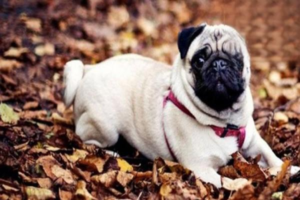
How to Reduce Shedding in a Pug
Pugs shed, but how much depends on daily care. Over-bathing, human shampoo, too little sunlight, and poor diet all make shedding worse, while regular brushing, good nutrition, and quick attention to skin trouble keep the coat under control.