Search Results
4334 results for “how to pet a dog”
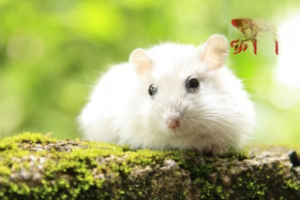
Why Is My Golden Hamster Squeaking Constantly?
Golden hamsters are normally quiet creatures that sleep by day and run on their wheel by night, so constant squeaking is a signal worth reading. It can be completely harmless—a dream, a startle, or a sulk—or it can mean real distress from illness, injury, or a perceived predator nearby. Because the tone differs between a content chirp and a pained wail, owners should learn to tell them apart. This guide covers the five common reasons a hamster cries out and when a vet visit is the right call.

How to Prevent Heartworm in Cats
Heartworm actually takes hold in a cat's lungs, not the heart, and although cats are not the worm's natural host, they can still be infected by a mosquito carrying larvae. Cats are often overlooked: infection rates are only 5–15% of a dog's under the same conditions, symptoms are subtle (about 28% show none), and tests are less accurate than in dogs. Prevention matters — avoid mosquitoes and use a vet-prescribed monthly topical preventive. Test for infection before giving any preventive, since treating an already-infected cat can cause shock.
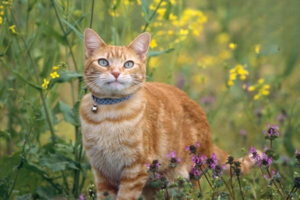
Everyday Flea Prevention and Care for Cat Households
Spring and summer are peak parasite season, and fleas are a common nuisance for cat owners. A cat that scratches constantly may have fleas, mites, allergies, or ringworm — confirm with a Wood's lamp, hair exam, or the classic 'damp tissue test' where flea dirt turns red. These tiny jumpers can produce 250,000 offspring a month, so prevention matters: vacuum cracks and gaps, comb with a flea comb twice weekly, hot-wash bedding, and keep the home dry (fleas like 18–27°C, ~75% humidity). If infected, use monthly topical prevention, treat inflamed skin, and watch for tapeworms passed via fleas.

How Much Does a Pug Cost?
The pug—famous for its wrinkled, comical face—is a common, affectionate pet whose price is more modest than its fame suggests. Most pugs cost about 300–500 yuan, while a healthy, well-bred dog with good conformation may run 1,000 yuan or more; show or top-bloodline dogs cost considerably higher. Prices vary by bloodline, looks, and health. When buying, choose a reputable seller, verify the dog's health and paperwork, and be wary of unusually cheap puppies, which may be sick 'bargain' pups that fall ill soon after arriving home.

What Are the Symptoms of Canine Coronavirus?
Canine coronavirus is a fast-spreading intestinal virus that looks a lot like parvovirus. Infected dogs become lethargic and lose their appetite, then develop persistent vomiting and foul-smelling, watery diarrhea that may carry a little blood—often in recurring bouts. Puppies are especially vulnerable, while adult dogs usually recover. There is no specific cure; treatment is supportive (fluids, anti-emetics, gut protectants, and a recovery diet), and prevention through vaccination and good hygiene is the most reliable defense.

How Much Does a Bichon Frise Cost?
The Bichon Frise is a small, charming companion dog loved by many families, especially those with children. Its price ranges from a few hundred to several thousand yuan, driven by region, overall quality, and whether you buy from an individual or a kennel. As a rough guide: non-purebred around 200–700, pet-quality 800–1,000, purebred 1,000–1,500, and show-quality 2,000–50,000. Puppies from home breeders typically run 800–3,000, while kennel and show lines cost more. A higher price does not always mean a better dog—prioritize health and temperament.

Why Is My Hamster Losing Fur?
Hamsters have less fur than cats or dogs, but they still shed, and hair loss often points to an underlying health issue. Seasonal molting is normal and the coat regrows quickly. Older hamsters naturally thin out and won't recover even with coat supplements. A poor diet, too few vitamins or unbalanced fats, triggers hormonal imbalance and shedding, so feed quality pellets and limit treats. Cramped cages cause stress and friction hair loss, and skin disease or parasites also contribute; treat parasites with a dewormer made for small pets.

Great Dane Temperament: The Gentle Giant
The Great Dane is a giant breed with a gentleman's bearing, once favored by European royalty. Despite its powerful frame, it is affectionate, patient, and famously good-natured—often called the biggest dog with the best temperament. Great Danes bond closely with their families, are gentle with children, and stand calmly protective of home and owner without fear or needless barking, making them excellent family companions as well as watchdogs.
What happens when a Teddy (Poodle) can’t find its owner?
When a Poodle can't find its owner at home, it becomes low, anxious, and barky, and over time may urinate or defecate around the house from stress, along with destructiveness, poor appetite, and lethargy. Outdoors, it usually tracks the owner by nearby scents, and a smart dog may wait in place or follow its usual route home.
How good is a Labrador’s sense of smell?
Labradors have an extremely keen sense of smell. Bred as retrieving gun dogs, they locate and fetch game by scent, and today are widely trained as guide dogs, police dogs, and search-and-rescue dogs. They are also intelligent, gentle, and friendly family pets, though their high energy means they need daily walks and play.