Search Results
4334 results for “how to pet a dog”
What is the difference between a Siberian Husky and ‘Erha’?
None — 'Erha' is just the affectionate nickname for the Siberian Husky. With good training they are loyal, gentle, and affectionate, though notorious for destroying furniture.
How Combined Spot-On Parasite Treatments Work
Parasite control is now routine for most pet owners, but choosing among crowded products is hard. Combined internal-and-external spot-on treatments have become the top pick because one monthly application covers many parasites. This guide explains why prevention matters, how a combined spot-on works through the ingredient pair imidacloprid plus moxidectin, and how to apply it safely and conveniently. Quality products are gentle, clearly labeled, and free of harsh additives—making professional-level prevention practical for ordinary homes. Always confirm the right product with a veterinarian.

Bringing Home a 2–6 Month Old Puppy or Kitten: A Complete Care Checklist
A new 2–6 month old puppy or kitten is fragile, and mistakes in the first weeks—too much handling, wrong food, missed vaccines—can cause stress, illness, or worse. Start by letting the pet settle alone for 1–2 hours before gentle interaction; keep the same food it had before (soak kibble if needed) and feed 3–4 small meals a day. Watch the first week closely, since transport can expose them to panleukopenia, cat flu, distemper, or parvovirus on top of stress. The vaccine and deworm timeline matters: deworm first, wait at least 7 days, then vaccinate (dog multivalent from ~45 days, three shots 21 days apart, rabies at 3 months; cat FVRCP from 2 months, three shots 28 days apart, then rabies). Don’t bathe, delay outings until vaccinated, and never feed toxic people foods like grapes, chocolate, coffee, or avocado.

Why Is Your Poodle Suddenly Limping?
A Poodle that suddenly limps may have a sprain or strain from play, a fracture, a paw pierced by a foreign object, a joint problem such as hip dysplasia or arthritis, a nerve issue like a slipped disc or neuritis, or a diet so one-sided it lacks vitamins and minerals, weakening the joints and leg muscles. Because Poodles have fine bones and lively temperaments, injuries are common. Rest and a gentle check come first; if the limp persists or worsens, get an X-ray and targeted veterinary treatment.

Can Canine Parvovirus Spread to Humans?
Canine parvovirus is a common, highly contagious dog disease that affects canids such as dogs, foxes, and wolves, but it does not infect people directly. Humans can still carry the virus on hands and clothing after touching an infected dog or its waste, spreading it to other dogs, so thorough disinfection matters. Parvo mainly attacks the gut and immune system, causing vomiting, bloody diarrhea, dehydration, fever, and weight loss, and is especially dangerous to puppies. Prevention through vaccination, isolation of sick dogs, prompt veterinary care, and thorough environmental cleaning is the best defense.
Do West Highland White Terriers Bark a Lot? Yes — Here’s Why
West Highland White Terriers are vocal dogs. Bred as terriers in Scotland to hunt small rodents, they were selected to alert their handlers with barks, and that instinct remains strong. Westies bark out of alertness, pent-up energy, attention-seeking, seasonal restlessness, or as a sign of pain. The good news is that barking is manageable: daily exercise, a "quiet gets rewarded" system, desensitization to common noises, early socialization, and ruling out health issues all make a big difference. A sudden change in barking paired with other symptoms can signal discomfort and warrants a vet visit.
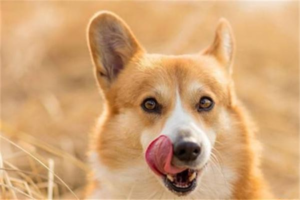
Is It OK Not to Dock a Corgi’s Tail?
Corgis can absolutely keep their tails. They're born with them; docking began because working herders wanted to avoid tail injuries and aid movement. Today, as family pets, most corgis have no need for it—and many are docked only because owners like the look. But the tail matters: it helps with balance, expresses emotion, and its removal can affect wellbeing and even invite bullying. The surgery also carries pain and infection risk. Unless necessary, leaving the tail is the kinder, healthier choice.
Bear-Type vs. Wolf-Type Samoyed: What’s the Difference?
Samoyeds come in two popular looks: the bear-type (often called the "Australian line") and the wolf-type (the "Russian/Siberian line"). Bear-type dogs are stocky and round, standing about 53-58 cm at the shoulder and weighing 25-30 kg, with a broad, short muzzle and an extremely fluffy double coat. Wolf-type dogs are leaner and more athletic, roughly 3-5 kg lighter, with a longer, narrower muzzle, almond eyes set close together, and a sleeker, coarser coat. Temperament differences are minor and mostly shaped by socialization rather than bloodline. The most important factor when choosing a pet is matching the dog's needs to your lifestyle, not which "version" you prefer.

How to Prevent Seizures After a Puppy Recovers from Distemper
Seizures can appear even after a distemper test turns negative because the virus is neurotropic—central-nervous-system damage and lingering inflammation may already be set. Prevention rests on three pillars: ease neuroinflammation, protect and repair nerve tissue, and avoid triggers. Nerve-support supplements (B vitamins, fish oil, citicoline, mecobalamin) help, and high-risk puppies may need low-dose long-term anti-seizure medication under a vet's supervision. Keep the environment calm and warm, skip baths during recovery, and feed highly digestible food with vitamin E, selenium, and lecithin. Learn the early warnings—repeated nodding, limb tremors, circling—so you can act before a full seizure.

How to Choose CoQ10 for Your Cat
CoQ10 is one of the most talked-about pet supplements—and one of the most debated. Critics call it a placebo, yet veterinarians routinely recommend it for cats with heart conditions. The truth sits in the middle: a quality, properly dosed product helps, a worthless one does not. Here are three rules for choosing a CoQ10 that actually works.