Search Results
4338 results for “how to pet a dog”
How to Choose a Cat Dewormer
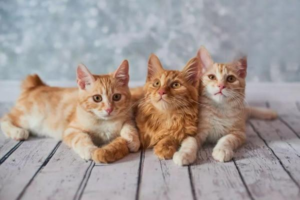
Hello owners—long time no see. This time we discuss a daily-care topic: how to choose a dewormer! An undeworned cat can pass parasites to us, so dewormers split into internal and external; let's see how to choose.

What Are Feline Coccidia, Tritrichomonas, and Giardia?
Coccidia, tritrichomonas, and giardia usually cause gastrointestinal symptoms in cats, like diarrhea and blood in stool. Here's an introduction.

The Dangers of Canine Parvovirus (CPV)
Any dog owner has heard of canine parvovirus with dread, but how much do you know? It's one of the most severe contagious diseases of dogs!

Canine Intestinal Obstruction: Symptoms and Treatment
Dogs swallowing foreign objects is common—some from irregular diet, some from mineral deficiency. Most cases involve toys or large indigestible food. Here's a case of obstruction from a sharp duck bone.

What Is Canine Campylobacteriosis
Canine campylobacteriosis is caused by Campylobacter, a bacterium commonly associated with diarrhea in dogs, cats, and humans. In recent years, Campylobacter has gone from an obscure veterinary pathogen to a well-known major cause of human enteritis. This article explains what canine campylobacteriosis is.

Symptoms of Canine Distemper
Canine distemper is a highly contagious disease in dogs. Once a dog is infected and shows obvious symptoms, it needs immediate veterinary care.

Causes and Treatment of Abnormal Bleeding in Cats
There are many causes of abnormal bleeding in cats, including diseases related to platelets, clotting factors, or blood vessels. Although these diseases are uncommon in cats, they can occur at any age or breed. This article explains the causes of abnormal bleeding in cats and how to treat it.

What Are a Cat’s Natural Behaviors?
Through a long shared history, cats now fit urban life; varied yet affectionate, they make us gladly serve them. Today let's discuss their biological traits.

A Cat’s Nutritional Needs and Feeding Standards
A cat's nutrients are the same six classes as other animals: water, protein, carbohydrate, fat, vitamins, minerals. But cats are obligate carnivores needing high-protein food; low protein kills appetite. Active cats may need more animal fat for energy. Cats also need taurine, vital to vision—deficiency badly hurts night vision.
What to Note When Boarding Your Cat
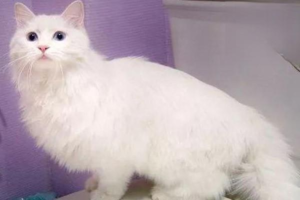
The holiday season is near and many owners want to travel but worry about leaving their cat; taking it along brings many inconveniences.