Search Results
4338 results for “how to pet a dog”

Autumn Joint Care for Dogs: What to Watch
After a hot summer, dogs tire easily in autumn — and extra exercise to rebuild strength can strain joints. Keep weight down, trim nails, warm the bed, and avoid hard running; joint supplements and a vet-approved plan help arthritic dogs.
My dog keeps sneezing with very short intervals — that counts as frequent sneezing, doesn’t it? Is it a cold?
Frequent sneezing often points to a cold — sneezing and a runny nose are early cold signs. To confirm, check for other symptoms (cough, low energy, reduced appetite, runny nose, rising temperature); two or three together suggest a cold. Treat with a vet-recommended canine cold medicine or a vet visit, promptly, to avoid worsening.
My dog’s body suddenly feels hot, like a fever — what are the usual symptoms of fever in dogs?
Fever signs include a temperature up to 39.5°C, red conjunctiva, lethargy, appetite loss, weakness, a dry nose, and rapid breathing. Early on, only the temperature rises; clear symptoms appear later. Fever is judged mainly by temperature — once confirmed, a vet-recommended canine fever reducer is given, or the dog is taken to a clinic, but treatment should never be skipped.

Why Your Dog Passes Live Worms After Deworming
Passing live worms after deworming means the job isn't done — a second or third dose is needed. Worms enter through dirty water, food, and walks, so deworm on schedule, follow the dose by weight, and space treatments 15+ days apart.
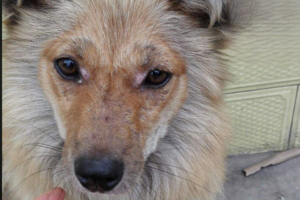
What to Do When Your Dog Has Ringworm on Its Face
Ringworm on a dog's face causes hair loss, itching, bumps, scabs, and redness, and spreads to other pets — isolate and collar the dog first. Disinfect, clip and treat the spot with antifungal spray and ointment, and add nutrition and parasite control.

Why Your Dog Feels Cold at 20°C (68°F) — and What to Do
A healthy dog with its coat rarely feels cold at 20°C; if it does, a cold or other illness is the likely cause. Look for drafts, nasal discharge, sneezing, fever, and low energy, then warm it up and use a vet-formulated remedy.

Start with Dental Health to Keep Your Dog in Top Shape
Healthy teeth are a dog's first line of defense against mouth disease. Brush regularly with dog-safe toothpaste, and use chews, raw carrots, and dry kibble to scrub plaque between brushings.

What to Do When Your Pet Catches a Cold During Seasonal Change
Seasonal shifts from autumn to winter bring big temperature swings that make pets prone to colds. Watch for lethargy, sneezing, and withdrawal, keep your dog warm and fed with warm (not cold) food, and see a vet if it worsens.
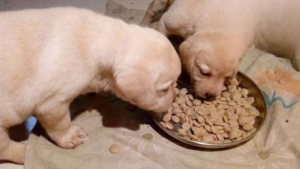
What to Do When Switching Dog Food Causes Diarrhea
If a food change triggers diarrhea, stop the switch immediately — most cases come from an abrupt transition rather than the new food itself. A 7-day mix-in transition lets the gut adjust gradually and prevents the upset.
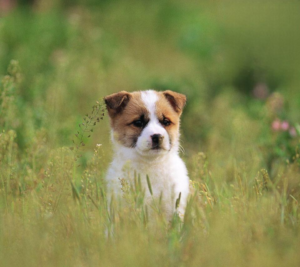
Simple Tips to Prevent Dog Diarrhea
Dog diarrhea is common, but most cases are preventable through steady feeding habits, routine vaccines and deworming, and basic gut support. This guide covers everyday diet management, preventive veterinary care, and simple at-home steps that keep your dog's stomach settled.