Search Results
4345 results for “how to pet a dog”

What to Do When Your Dog Is Too Thin
A thin dog can fall into two patterns: one that eats little and wastes away, and one that eats plenty yet still loses weight. The second is often more telling, because calories are going somewhere other than the body. Matching the pattern to the likely cause is the first step toward fixing it.

Common Dog Diseases and Their Symptoms
A sick dog shows changes in behavior and body that veterinarians call symptoms. Owners who notice these early can get the right help faster. Fever is one of the clearest signals: a dog's normal temperature is 38.3-39C, and anything above 39C means the dog is running a temperature. Here are the common causes behind sudden high fever and lingering low fever.

How to Care for Your Dog in Autumn
Autumn's cool, dry, changeable weather feels great to us but asks for a few adjustments in dog care. Fatigue from summer, dropping temperatures, and dry air all affect a dog's body, coat, and digestion. A few simple habits around food, grooming, exercise, and disease prevention keep your dog comfortable through the season.

What Every New Dog Owner Should Know
Bringing a puppy home is exciting, but a few common mistakes can make a dog sick or afraid. The first weeks are about helping the dog settle in safely: hold off on baths and rich foods, keep it on a leash, and don't rush parasite treatment. With the right supplies and a calm start, new owners set their dog up for a healthy life.

How to Care for Your Dog in Summer
Summer heat means preventing heatstroke, but some popular 'cooling' tricks backfire. Shaving a dog's coat or bathing it too often raises the risk of skin disease—the coat actually shields skin from sun and bites. Instead, cool the indoor space, use a cooling mat, trim only the paw fur to aid heat loss, walk at dawn or dusk with water on hand, and shift to lighter meals in small portions. Keep the air flowing, set the AC no lower than 26°C, and clear leftovers before they spoil. Smart, gentle cooling helps your dog sail through the hottest months.

How to Train Your Dog to Catch Objects Mid-Air
Teaching a dog to snatch a treat out of the air is a fun, bonding trick that builds focus and coordination. The method is gradual: a spoken cue, a slow lob close to the head, and slowly smaller, faster, higher throws until the hind legs leave the ground. Most dogs grasp the basics in a single session with the right pacing.

How to Train a Well-Rounded Dog
Training curbs a pet's natural scatterbrained ways, turning spontaneous behavior into good obedience through gradual tasks. First understand the dog - its breed, size, temperament and purpose - and match your time, budget and space while limiting nuisance to neighbors. The core is the conditioned reflex: use the dog's natural responses to food, novelty and threat, with consistent commands and gestures, rewarding and reinforcing daily in short sessions (never too much). The only shortcut is practice, patience, consistency and rewards - and exercising together works too.
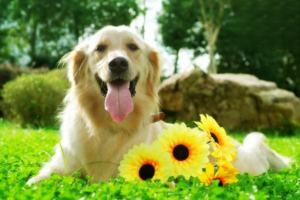
Teaching Your Dog to Recognize Its Name
A good name is short, distinct and consistent. Keep it simple so the dog remembers, avoid names that clash with daily words (a 'Tanghulu' might bolt when a street vendor shouts), never change it once the dog links it to you, and use first/second-tone sounds or a higher pitch since dogs tune into higher frequencies. Build the reflex by calling the name when the dog is focused, then rewarding with praise, petting or treats - the loop 'name plus reward' becomes 'good things happen'. Mistakes: do not repeat the name (it loses meaning), match your tone to the situation (gentle for right, firm for wrong, happy for play), and never yell or the dog learns 'name means punishment'.

Dog Food vs Supplements: What’s the Difference?
Dog food is a complete staple designed by pet nutritionists to meet a dog's basic life, growth and health needs - balanced, digestible, convenient and even disease-preventing. Supplements fill specific gaps: vitamins, proteins, calcium, goat-milk powder, coat and pigment support, aiding development and recovery from illness. The rule is food first, supplements second - even good food is not 100% absorbed, so supplements help. But add them only when needed: large breeds needing calcium for joints or baby teeth, picky or single-diet dogs needing vitamins/minerals, weak or sick dogs (B-vitamin for some skin issues, probiotics for gut), and life-stage needs like goat milk for weaned pups. Over-supplementing backfires into allergy or obesity.
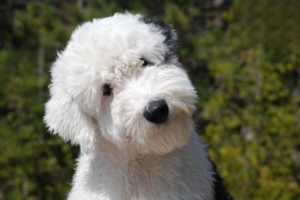
What Every Owner Should Know About Pet Vaccines
A vaccine is a weakened or inactivated pathogen that teaches the immune system to recognize and fight the real thing, so a later encounter is met with ready-made defenses. The 'two-, four-, six-in-one' labels describe how many diseases one shot prevents, not how many doses. Core dog combos cover distemper and parvovirus, with added parainfluenza, adenovirus and leptospira; rabies is given separately. Puppies start around 4-6 weeks with a series spaced 3-4 weeks apart. Vaccinate only when healthy, keep one brand, avoid baths during the series, and watch for rare allergic signs.