Search Results
4338 results for “how to pet a dog”

What to Know Before Your Pet’s Surgery
First-time surgery owners can feel lost. Routine procedures (spay/neuter, dental) can be booked by phone; pathological ones (lump removal, fracture, pyometra) need an exam first. Fast 8 hours (6 for young animals) and withhold water 2–3 hours, and avoid scheduling during heat.

Complete Summer Pet Care Guide
Summer raises five common risks for pets, heart trouble, colds, skin disease, heatstroke, and stomach upset, so manage exercise, cooling, and food hygiene carefully. Keep water available, avoid midday walks, and never leave a pet in a parked car.

How to Manage Heavy Shedding in Dogs
Heavy shedding often signals a diet gap or poor coat care. Feed a balanced natural diet (broccoli, salmon, cooked egg yolk help), brush daily, bathe with a mild pet shampoo 2–3 times a month, allow some sun, and keep bedding dry — but never shave the coat bare.

What to Do When Your Dog Won’t Eat in Summer
Summer heat saps a dog's appetite for many reasons, illness, stale food, weather, mood, or estrus, so cool it down before worrying. Bathing, AC, and shade help, but avoid overcooling and never shave a healthy coat, which raises skin risks.

Why Pets Need Vaccinations
Even indoor pets catch viruses carried in on shoes and hands, so vaccination is not optional. Core threats include distemper and parvovirus in dogs and panleukopenia, herpes, and calicivirus in cats — and untreated infection can be fatal despite treatment.
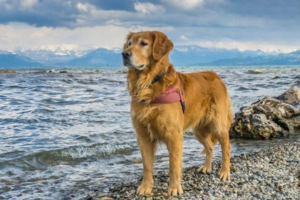
Dog Teeth Brushing: Questions Answered
Skipping dental care lets plaque harden into tartar and triggers gum disease, so aim to brush several times a week with dog-safe paste. Learn the proper hold and stroke, and turn to a vet for scaling when buildup is already heavy.

Five Myths About Dog Vaccinations
Good vaccine prep starts with ditching common myths: more diseases per shot isn't better, a healthy look isn't a green light, all vaccines aren't equal, over-vaccinating isn't safer, and leaving right after the shot skips the allergy watch. Match the vaccine to your dog's age and antibody levels, and stay 30 minutes post-shot.
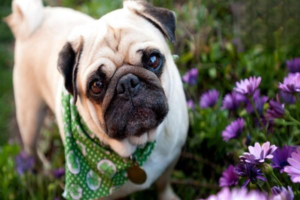
Dry Nose and Runny Discharge in Dogs
A dry nose alone is not proof of sickness, nor is a wet one proof of health, but the type of discharge matters. Clear runny nose with normal spirit suggests a mild cold, while yellow-green pus with other signs points to bacterial infection or even distemper.

How to Protect Your Dog’s Paws in Winter
Dog paw pads handle cold better than you think thanks to a special circulation that warms them, so boots are more about keeping clean than warm. The real winter enemies are wetness, hidden sharp objects, de-icer, and dry cracking, so dry paws after outings and moisturize as needed.

Spring Care Tips for Dogs and Cats
Spring warms things up but also kicks off parasite and disease season, so make deworming, coat care, and early infection watch your priorities. Keep the environment clean, brush daily through the shed, and see a vet fast at any sign of lethargy, vomiting, or discharge.