Search Results
4345 results for “how to pet a dog”
What are the signs of gastroenteritis pain in a dog?
Gastroenteritis pain signs include arched back, abdominal pain, cramps, shaking, reluctance to move, convulsions, and appetite loss. Also belching, vomiting, diarrhea, dehydration, and sometimes swollen belly or blood in stool. Causes include poor diet, parasites, overeating, or food poisoning. See a vet to diagnose and treat by cause.
What happens if a dog gets stones?
A dog with stones usually shows frequent urination, urgency, incontinence, darker and cloudy urine, and abdominal pain; the stones irritate the bladder and kidneys, causing discomfort, lethargy, and appetite loss. Large or long-standing stones may block the urethra or cause infection, leading to urinary retention. See a vet for tests and treatment like medication, surgery, or prevention.
What happens if a dog eats a lot of poop?
Eating lots of poop easily leads to bacterial and parasite infection, with vomiting, diarrhea, appetite loss, lethargy, weight loss, and rough coat. Eating poop carrying distemper or parvovirus can cause fatal viral disease. Stop the behavior, feed on schedule to avoid hunger, and address possible trace-element deficiency.
What happens if a dog has rabies?
A rabid dog shows stronger aggression, excitement, fear, anxiety, fatigue, and depression, plus digestive signs like appetite loss, vomiting, and diarrhea. Later, nervous symptoms appear: spasms, convulsions, foaming, stiff jaw, dilated pupils, weakness, dehydration, and rapid breathing. Rabies is extremely serious and fatal if untreated, and is zoonotic, threatening human health if it bites.
How can you tell if a dog’s eye discharge is normal?
A small amount of eye discharge is normal, formed from tears mixed with bacteria, sand, dust, and hair, and just needs cleaning. But excessive discharge, abnormal color, red swollen eyes, smelly secretions, or frequent eye rubbing may signal bacterial or viral infection or injury. Wipe with warm water or saline daily, and see a vet if unchanged or with other symptoms.
How can a dog digest food faster?
To speed digestion, control portion size since overeating slows it. Feed small, frequent meals, 3-4 times a day for puppies. If indigestion appears, fast briefly then give pet probiotics and abdominal massage. A walk half an hour after meals aids gut movement.

Common Signs That Your Dog Is Uncomfortable or in Pain
Dogs hide pain well, so watch for subtle signs: head-butting walls, curling up whimpering, nonstop licking, urgent circling (holding urine), scooting, ear scratching, or sudden loss of appetite. Act early to avoid a worsening illness.

How to Care for a Pet Rabbit, Especially One Newly Brought Home
Rabbits need hay (alfalfa for young, timothy for adults), pellets and veg twice daily, fresh water, a dry 15-25 C home, and no baths. A new rabbit needs quiet, limited space, separation from residents, and a fecal test (not yet deworming) at the vet.

What Types of Dog Food Are There?
Dog food is grouped by moisture—dry (most balanced, easiest), semi-moist (tasty but not a staple), and wet (smells good but risks tartar); by age—puppy, adult, and senior; and by purpose, such as weight control or activity level. Store dry food sealed in a cool, dry place with its bag, refrigerate leftovers wet food, and feed on a fixed schedule using dog food as the staple, switching brands gradually.
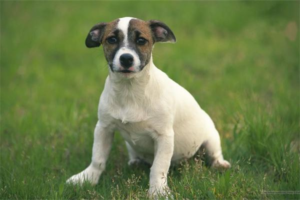
Why Does a Dog Eat Its Own Poop?
Many find it unbelievable, but dogs eat their poop for reasons. Find the cause and correct the habit. Here are the reasons a dog eats its own stool.