Search Results
4338 results for “how to pet a dog”
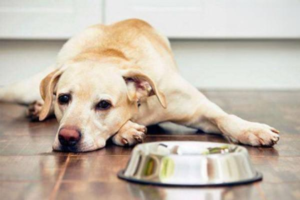
Dog Has No Appetite but Stays Active
When a dog skips meals yet stays playful, the cause is usually the food itself or picky habits, not illness. Rule out the kibble first, then watch for a possible blockage if there is no bowel movement or drinking.

Why Your Dog Lost Its Appetite and Energy
A dog that stops eating and goes quiet may have a troubled stomach, parasites, an internal illness, or simply picky habits. Match the cause to the fix: adjust the diet, deworm on schedule, or see a vet when illness is the culprit.

Do Pet Dogs Carry Bacteria?
Dogs pick up bacteria from raw food, dirty water, public places, and their own toys, and the germs can harm both pet and owner. Skin or gut infection shows as itching or vomiting, and the fix is a vet diagnosis plus clean living.

Teddy Dog With Diarrhea, No Appetite, and Lethargy
A Teddy's sensitive stomach is easily upset by overfeeding, cold, or parasites, and the result is diarrhea with lost appetite and low energy. Controlling portions, keeping the dog warm, regular deworming, and gut-supporting supplements are the backbone of recovery.

Is Dog Constipation Caused by Too Little Water?
Dogs are actually less prone to constipation than cats (whose cases are mostly hair), but when it happens the causes are broader — low fiber, little exercise, anal-gland or prostate issues, swallowed objects, tumors, drugs, or dehydration. Two days without a stool, or straining and crying, means constipation.
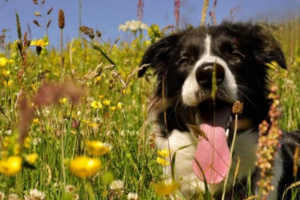
Why Dogs Eat Grass
Dogs eat grass out of boredom, a nutrient gap that triggers pica, or simply to move a heavy meal through the gut. Curb it by enriching the diet, correcting the behavior with a firm 'no,' and offering probiotics so the grass does not loosen the stools — and see a vet if vomiting or severe diarrhea follows.

What to Do When Your Dog Has a Urinary Tract Infection
Urinary tract infections (UTIs) are common in dogs and cause painful or frequent urination, blood in the urine, and general discomfort. Mild cases respond well to antibiotics, but bladder or kidney stones can mimic the same signs and may need imaging or surgery. Good hygiene and diet adjustments are key to preventing recurrence.

Signs and Management of Seizures in Dogs
Canine epilepsy is a recurrent neurological disorder marked by uncontrolled collapsing and convulsions, progressing through pre-ictal, ictal, and post-ictal phases. During a seizure your options are limited—protect the dog from injury and record the episode for the vet. Stay calm and comfort your dog as it recovers.

Why Your Dog Smells and How to Fix It
Dog odor usually comes from one of four places: a breed-prone body smell needing monthly baths, impacted anal glands that need expressing, dental disease from poor brushing, or neglected, damp ears. Tackle each at its source — and if smell comes with skin, appetite, or vomiting changes, see a vet.

Why Does a Dog Keep Scratching?
Frequent scratching usually means something is wrong with the skin: over-bathing or human shampoo, fleas and lice, healing wounds, allergic dermatitis, or eczema from bacterial, fungal, or mite infection. Bathe every 2–4 weeks with pet shampoo, deworm monthly (ivermectin or fipronil outside, albendazole inside), fit an Elizabethan collar on healing wounds, and use chlorpheniramine plus a skin spray for allergies. Small areas of eczema can be treated topically; otherwise see a vet.