Search Results
279 results for “how to hydrate dog”

Symptoms of Canine Leptospirosis
Leptospirosis is a serious dog disease caused by Leptospira bacteria - also called infectious jaundice or hemorrhagic jaundice - that spreads through skin, mucus membranes, and contaminated food or water, often peaking in summer and early autumn. Two forms stand out: one brings sudden fever, vomiting, dark bile-colored urine, yellow gums, and bleeding, while the other causes vomiting and bloody diarrhea with mouth ulcers and a death rate of 60-80 percent in acute cases. Diagnosis uses microscopy, culture, and blood tests, and treatment pairs antibiotics with liver and fluid support. Clean housing, rodent control, quarantine, and the two-type vaccine are the key preventives.

What Is Canine Salmonellosis
Canine salmonellosis is a group of infections caused by bacteria of the Salmonella genus, which can affect both dogs and people. Dogs pick it up from sick animals, contaminated food and water, or even healthy-looking carrier dogs, and the illness ranges from silent carriage to severe, life-threatening septicemia in young puppies. Signs include fever, vomiting, watery or bloody diarrhea, and rapid dehydration. Diagnosis relies on culture and identification of the bacteria from stool or organs, and treatment pairs antibacterial drugs with fluid and symptom support. Careful food handling and a clean environment are the cornerstones of prevention.
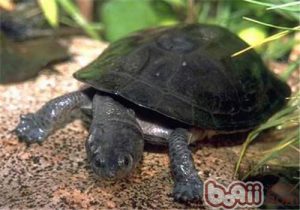
Mesoclemmys Turtle
The Mesoclemmys turtle is a little-known, wide-ranging South American species that has been largely overlooked by both researchers and hobbyists. A small, secretive turtle inhabiting shaded forest streams, it remains rare in the pet trade.
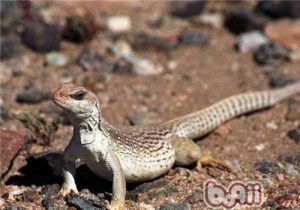
Desert Iguana
The Desert Iguana (Dipsosaurus dorsalis) is a hardy, pale-gray desert lizard of the southwestern North American deserts, tolerant of extreme heat and aridity. Primarily herbivorous and alert, it needs a hot, dry, UVB-lit enclosure with sandy substrate and burrows.

Emydoidea blandingii (Blanding’s Turtle)
Blanding's turtle is a semi-aquatic turtle of the Great Lakes region, gentle and cold-hardy, with a smooth black helmet-shaped shell and a yellow hinged plastron marked with black blotches. It is omnivorous and adapts well to captivity.

Maternal Hypoglycemia in Bitches
Maternal hypoglycemia is low blood sugar in a mother dog around whelping, caused by the heavy energy demand of pregnancy and nursing. It brings fever, tremors, and even coma, and needs quick glucose and good nutrition.

Canine and Feline Eperythrozoonosis (Hemotrophic Mycoplasmosis): Symptoms, Transmission, and Treatment
Eperythrozoonosis, also called hemotrophic mycoplasmosis, is a tick- and flea-borne infectious disease of dogs and cats marked by anemia and jaundice. It is treated with tetracycline-class antibiotics and supportive care.

Canine Coronavirus (CCoV): Symptoms, Treatment, and Prevention
Canine coronavirus is a highly contagious viral infection that causes acute gastroenteritis in dogs. It spreads through contact with contaminated saliva, feces, and food, and typically produces vomiting, diarrhea, and appetite loss. Most dogs recover within 7 to 10 days, but the infection is known to recur.
Does Canine Caviar make cat food?
Canine Caviar is a US brand that sells mostly dog food in China and currently has no cat food line; its dog food's sourcing is unclear.
How good is Royal Canin’s skin-support prescription diet?
Royal Canin skin-support formula uses plant protein to lower allergy risk but is low in nutrition; not for long-term use — prefer a hypoallergenic diet for allergy-driven skin issues.