Search Results
1256 results for “how to hold a cat”

What If Your Dog Won’t Cooperate at the Vet
The hospital is novel and fun for a first-time dog, but being touched, pinched, mouth-pried and temperature-taken by strangers in white makes the dog uneasy and emotionally unstable.

Beagle Hunting Training: Methods and Tips
The Beagle has strong hunting instincts, so training one well requires understanding its habits before any training begins. Owners must be very patient when training a Beagle. This article introduces training methods for hunting with a Beagle.

Symptoms and Treatment of Canine Parvovirus
Canine parvovirus, also called 'dog turning intestines,' is a very serious contagious viral disease. But it is not untreatable - early detection and early treatment give a dog a good chance of recovery. Here are its symptoms and treatments.

What Are the Symptoms of Rabies
Rabies, also known as hydrophobia or "mad dog disease," is an acute contagious zoonotic disease caused by the rabies virus, mainly showing excitement and paralysis. This article explains what the symptoms of rabies look like.

How to Treat a Dog Stung by a Bee
Many laugh at a dog's goofy, innocent post-sting face — but the sting is uncomfortable and harmful and needs prompt care. Here is the treatment.

Can Dogs Get Asthma Too? What Causes It?
Yes — dogs can develop asthma just like people. It is an allergic disease, more common in middle-aged, young, and small breeds. Read on for the causes, symptoms, and prevention of dog asthma.

Nursing Basics for a Dog with Heart Disease
Daily care is what keeps a heart-disease dog stable. The rule of thumb is the "three limits" — water, salt, and excitement — plus the right medication and gentle exercise. Here is a practical care checklist for owners.

Rabbit ‘Big Belly’ Disease (Enteritis/Bloat): Causes & Care
Rabbit 'big belly' disease is a fast, often fatal gut illness from mixed E. coli/coccidia infection, viral diarrhea, or low fiber. This guide covers its signs, prevention (clean feed, grass), and treatment (fasting, gentamicin, probiotics).
Causes and Symptoms of Constipation in Rabbits
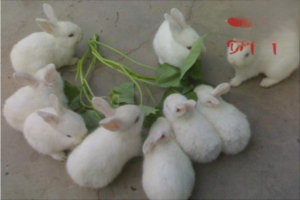
Rabbit constipation shows as reduced appetite, hard dry droppings, a swollen tender belly, and stopped defecation. Causes include poor diet, low water, little exercise, and anal disease; treatment is food withdrawal, water, enema, and oils.

What to Do About Rabbit Constipation
Rabbit constipation often comes from dry food, low water, or too little fiber and exercise. Relieve it with diet changes, probiotics, outdoor exercise, and hairball remedies to keep the gut moving.