Search Results
1256 results for “how to hold a cat”
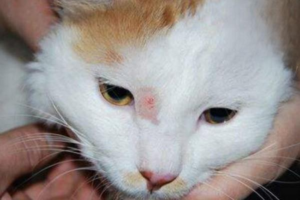
How to Tell If Your Cat Has Ringworm
Ringworm shows up as patchy hair loss with red, irritated skin and itching. Start by checking the ears, since that damp area is a favorite spot, and watch whether the bare patches keep spreading — expanding lesions mean it is time for a vet visit.

How to Recognize Ear Mites in Your Cat
Ear mites spread easily between cats and dogs through close contact and are most common in kittens. Look for dark, crumbly ear discharge, head shaking, and scratching around the ears and neck — and isolate an affected cat to protect the rest of the household.

How to Bathe and Deworm Your Cat
Regular deworming protects both your cat and your home. Plan on an internal dewormer every three months and an external one every month, and always bathe your cat before applying a topical product so the treatment can work.

Cat Has Smelly Yellow Diarrhea but Still Acts Normal
Smelly yellow diarrhea with normal energy usually points to diet—spoiled food, too-hard kibble, or toxins. Stress, overfeeding and chills also trigger it. Fast half a day, use a probiotic and keep the cat warm; persistent or toxic cases need a vet.
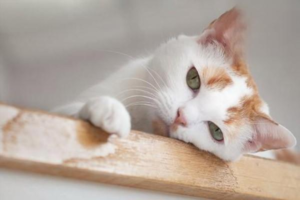
How to Treat Cat Gastroenteritis
Gastroenteritis is common in cats—their digestion handles grains and sharp bones poorly, and spoiled food can trigger acute gastritis. Signs are vomiting, diarrhea, lethargy, appetite loss and dehydration. Withhold food briefly for mild cases, but persistent symptoms, especially in kittens, need a vet.

Cat Vomiting Yellow Fluid Several Times a Day: What to Do
Vomiting yellow fluid multiple times a day is not normal and can stem from parasites, infection, empty-stomach acid, gut disease or something eaten. Hair in the vomit points to a hairball. Frequent vomiting dehydrates fast, so identify the cause and get veterinary help if it persists.

Cat Has Had Yellow Nasal Discharge for Six Months
Persistent yellow nasal discharge in cats usually points to a chronic upper-respiratory infection such as feline viral rhinotracheitis, or less commonly pneumonia. When the symptom has lasted six months, the condition is well established and needs a proper veterinary work-up rather than guesswork. Supportive home care can ease discomfort, but lasting or recurring discharge warrants diagnostic testing.
My cat suddenly stopped eating and is vomiting white foam — what’s wrong, and what medicine should I give?
Usually white-foam vomiting with appetite loss is diet-related — hard-to-digest foods (bones, raw meat, pits, milk) or spicy food irritate the stomach. Withhold food for half a day, then resume. If vomiting continues, an anti-nausea medication plus probiotics can restore gut health and appetite.
My cat was fine at noon but suddenly started vomiting white foam in the afternoon — what’s going on?
White foam vomiting is usually from poor diet or eating the wrong food — bones, raw meat, pits, milk, or spicy foods irritate the stomach and trigger foaming or diarrhea. Withhold food for a day, then resume; if it keeps down kibble, the cat is better. If vomiting continues, an anti-nausea medication plus probiotics can settle the gut. Also check the vomit for hair — hairballs can cause foaming too.

How Much Does It Cost to Keep a Cat Each Month? (Owners Say: Not Much)
Counter to the myth that cats are pricey, owners and a vet agree a healthy cat costs little — roughly $15–45 a month for food, litter, and basics. The real budget-breaker is illness, which can hit $140 or more in a single visit.