Search Results
1256 results for “how to hold a cat”

Cat Won’t Eat or Drink in a New Home? What to Do
A cat that refuses food and water after a move is reacting to stress, not being difficult. Short refusals of a day or two are usually mild, but beyond 48 hours the risk of fatty liver rises, and beyond 72 hours you should call a vet. The fix is to lower stress—familiar scents, the same food, a calm presence—never force-feeding, which makes things worse.

How Often Should You Trim Your Cat’s Nails?
Indoor cats don't wear their claws down naturally, so regular trimming protects your furniture, your skin, and the cat itself from ingrown or broken nails. Kittens need it every 2–3 weeks, adults about every 2–4 weeks, and seniors every 3–5 weeks. The key is to cut only the clear tip and avoid the pink quick, then reward your cat so the next session goes smoothly.
How many days after heat ends can a cat be spayed?
About 7 days after heat ends, when reproductive organs normalize. Fast 8h before surgery; keep the cone on until healed.

Cat CoQ10 on a Budget: Traits of a Genuinely Good-Value Product
More than 30% of senior cats show heart enlargement or failure, so CoQ10 has become a near-essential for many households — yet buying one that actually works without overspending is harder than it looks. Owners report months of use with no improvement, or 'foreign' brands whose labels turn out false. This guide sets out the traits of a genuinely good-value cat CoQ10 so you can avoid both placebos and overpriced imports.

What to Do When Your Cat Loses Appetite in Summer
Hot weather can drop a cat's appetite, and so can warm or dry food, illness, parasites, moving, or household stress. Keep the environment cool and shaded, offer light wet food rather than hot meals, and place several water bowls around the home so a dehydrated cat can drink anytime. Gentle play and a clean living space help, as does adding a pet probiotic to the food. Favorite toppers like canned food, freeze-dried meat, or chicken can renew interest. If appetite stays poor, have a vet rule out disease or worms.

CoQ10 for Senior Cats with Heart Concerns: A Buying Checklist
The heart is the body's highest-energy organ and holds a large share of a cat's CoQ10, so as production falls with age or hereditary risk, supplementation can support heart-muscle energy and act as an antioxidant. This checklist explains why senior and high-risk cats are the ones most likely to benefit, the five points to verify before buying, and the safety limits every owner should respect.

Why Your Cat’s Eyes Keep Getting Inflamed
Frequent feline eye inflammation often starts with a dirty, dusty home that lets bacteria or fungi take hold, or with injuries from branches and grass during play. Allergies to pollen, dust, or food can trigger it, and some cats are born with eyelid deformities like entropion or ectropion that invite infection. Have a vet confirm the cause and treat with medication or surgery when needed. At home, keep the environment clean, limit outdoor risks, and wipe the eyes regularly with saline to cut down on dust and bacteria.

Why Your Cat Keeps Getting Thinner
A cat that keeps losing weight can signal parasites, poor diet, stress, aging, or underlying disease. Worms such as roundworms and tapeworms steal nutrients; stale or unappealing food lowers appetite; household changes or an owner's absence cause stress; and digestive, liver, or kidney disease blocks normal nutrient uptake. Older cats naturally eat less as metabolism slows. Have a vet identify the cause, then offer high-protein, high-fat food in small frequent meals, add supplements, and keep a regular deworming schedule to help your cat regain condition safely.

CoQ10 for Cats and Dogs: Food Sources, Benefits, and Who Needs It
Coenzyme Q10 (CoQ10, or ubiquinone) is a fat-soluble compound that helps cells make energy and is concentrated in high-demand organs such as the heart, liver, and kidneys. Most healthy pets make enough on their own, but seniors, certain breeds, and pets with heart conditions may benefit from supplementation. This guide covers what CoQ10 does, which foods naturally contain it, which pets are most likely to need a supplement, and the key safety precautions to keep in mind.
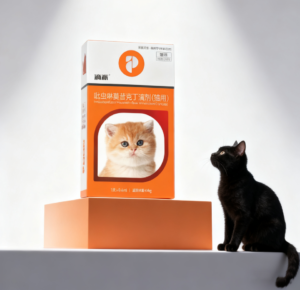
Cat Dewormers Compared: How to Choose the Right One
More than half of household cats are estimated to carry at least one parasite at some point, with fleas, roundworms, and heartworm among the most common. Regular, science-based deworming can sharply lower that risk and protect both cat and owner. This guide compares the main types of cat dewormers by their active ingredients and explains how to match a product to your cat's age, lifestyle, and parasite exposure, so you can build a safe, sustainable routine without relying on brand hype.