Search Results
1256 results for “how to hold a cat”
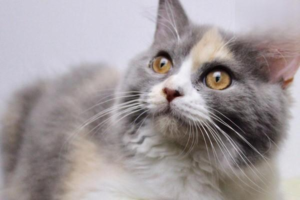
Health Checks Every Cat Owner Should Know
Must-do checks: a baseline exam plus a four-way infectious test (panleukopenia, herpes, calicivirus, coronavirus) for every new cat—do it early, before symptoms turn deadly. Antibody tests suit cattery-bought kittens. Pre-surgery bloodwork matters for seniors; post-illness rechecks and fecal/SAA/urine tests catch parasites, inflammation, and urinary disease. Skip unnecessary ones: toxoplasma testing is mainly for pregnant households, and X-rays are for swallowed objects or fractures.

What to Do When Your Cat Has a Sensitive Stomach
Vomiting has clear causes: regurgitated kibble means eating too fast or too much (slow it with set meals; soften for kittens); hairballs need daily brushing and cat grass; bile from an empty stomach needs small frequent meals; blood means inflammation or a sharp object—go to the vet. For soft stool, withhold food and water a day and give probiotics. Underlying causes include skipped deworming (internal every 3 months, external monthly) and bad habits: too many salty snacks, abrupt food changes (transition over 7 days), and mixing new food into old.

A Shy, People-Scared Cat in Its New Home
Before the kitten arrives, ready the litter, bed, bowls, food, scratcher, and a carrier; add cleaning tools and toys later. Give it a safe space out of direct sun, and use a crate if the home is not yet cat-proofed. Keep noise and interference low—a new cat is wary and loud sounds spike stress. Let it approach you; when it does, pick it up gently and release the moment it tires. Use a soft voice and learn where it likes to be petted to build trust—and on return from a short absence, reassure it calmly, since stress can cause diarrhea.

Recipe: How to Make Kelp Powder for Cat Food
Kelp powder is a simple, mineral-rich topper for homemade cat food, yet many owners aren't sure how to make it. Dried kelp carries iodine and more than sixty trace minerals plus 21 amino acids, and as a 'sea vegetable' it supports healthy metabolism — something heavily processed pet foods often lack in a usable form. The method takes under five minutes: tear dried kelp, grind it fine, and feed about 1 g a day. Because the taste is mild, mix it into the cat's meal rather than serving it alone.

Dog Is Bloated but Not Defecating — What to Do
A dog with a swollen belly that will not pass stool is usually constipated, but the underlying reason matters: it could be simple indigestion, a bowel blocked by a swallowed object, too little exercise, or a painful condition that makes the dog hold back. Matching the cause to the fix prevents a minor issue from becoming an emergency. This guide lists the common causes and the practical steps—water, probiotics, exercise, and portion control—that get things moving again.

Why Cats Drink With Their Paws
Many owners are puzzled when a cat scoops water with a paw instead of lapping from the bowl, and wonder how to stop it. The habit usually points to something practical: a bowl so narrow it touches the whiskers, water sitting too low, a preference for moving water rooted in wild ancestry, fading eyesight in older cats, or a lack of security that makes the cat watch its surroundings while drinking. Once the real cause is fixed — a wider bowl, fresher water, a fountain — most cats drop the pawing. Gentle, consistent redirection does the rest.

How to Give Your Cat a Pill
Whether for deworming or illness, you'll likely need to medicate your cat, and the first time is the hardest—practice makes it easy. Three methods: by hand (best for tablets or capsules, using the cat's natural 1–2 second mouth-open window), with a pill device (safer for beginners, handles solids and liquids), and mixed into food (not recommended, since it can change efficacy and the cat may refuse). If you truly can't manage it, let the vet do it to avoid delaying treatment.

Helping Your Cat Tolerate Nail Trims
Cats need sharp claws for climbing, and a trimmed tip grows back in about a week—so this is ongoing care, mostly to protect you from scratches. Front claws (5 each) sharpen fast and need ~weekly trims; blunter back claws (4 each) need only monthly. Use an Elizabethan collar or restraint, expose the claw by pressing the pad, and cut 2 mm outside the pink quick, perpendicular to the thin edge, steady and quick (under 5 minutes; two people help beginners). Make it pleasant with food rewards and 'go with the flow' timing when the cat is cuddly.

Choosing the Right Food and Water Bowls for Your Cat
Bowls come in ceramic, plastic, and stainless steel; a wooden stand with ceramic is the classic best choice. Ceramic resists heat and bacteria and is heavy enough not to slide; pick a wide rim (wider than the cat's whiskers) and a stand to raise it. Plastic is fine for travel but breeds bacteria and can leach into food, so avoid long-term use. Stainless is easy to clean but trace chromium/nickel can dissolve from salty food and may trigger allergies. Skip automatic feeders and fountains except for long trips—cats prefer fresh daily water and the bonding of hand-feeding.

Why Cats Pee on the Bed and How to Stop It
Bed-peeing falls into three types: normal inappropriate elimination, stress peeing (literally scared into it), and urine marking (spraying). You can tell them apart by the stain—round with digging for normal, a few drops with no digging for stress, and a vertical streak with raised hips for marking. Clean with enzymes to remove the scent pheromone that invites re-marking, spray deterrent, then fix the root cause: litter training, reducing fear through socialization, and easing the anxious, rejected cat.