Search Results
1256 results for “how to hold a cat”
Smells Cats Hate Most (and Why They Matter)
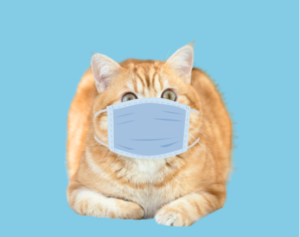
A cat's nose is far sharper than ours, so scents we find fresh can be 'chemical weapons' to them. Most cats hate high-menthol products (white flower oil, cooling balms), citrus peels (limonene and linalool irritate their scent nerves and the plants are mildly toxic), and perfumes. They also reject other cats' smells—a stranger's scent can trigger defensive puffing and hissing. Alliums, camphor products, and vinegar round out the list, while secondhand smoke's 7,000-plus chemicals threaten a small cat's lungs far more than a human's. Keep these away from your cat.
100 Essential Tips Every New Cat Owner Should Know
Bringing home a first kitten is exciting but daunting, and poor care can hurt both of you. These 100 essentials cover diet (life-stage food, toxic grapes/chocolate/onion/garlic, no bones or raw meat, fresh water), daily care (brushing, nail and ear cleaning, litter hygiene, n+1 boxes), health (vaccines at 8–12 weeks, deworming, normal temperature 38–39.2°C, spay/neuter, no human meds), behavior (slow blinks, tail talk, no punishment), and home safety (screens, hiding wires, toxic plants, no smoke). Read them once and you'll share a calmer, healthier life with your cat.
How to Keep Your Cat from Getting ‘Air-Conditioner Sickness’
Cats can suffer 'air-conditioner sickness'—discomfort from low temperature, dry air, poor ventilation, and big temperature swings—showing as sneezing, runny nose, loose stools, or even respiratory infection. To prevent it, keep the AC at 26–28°C and avoid direct drafts, hold indoor humidity at 50–60%, and warm weak cats with a soft bed off cold floors. Clean the filter every 2–3 weeks, ventilate daily, watch the cat's condition, and add 20–30 minutes of play. At the first mild signs, turn the AC off and offer warm water; see a vet if it worsens.

Why Does My Cat Keep Sticking Out Its Tongue?
A cat that keeps its tongue out is not always being cute, it can signal an underlying issue. Mild tongue protrusion is normal when a cat pants to cool down in heat, but it may also point to respiratory problems such as infection, asthma, allergies, or a foreign object in the airway, often with coughing or labored breathing. Oral pain, stress and fear, and certain heart conditions can also cause it. Provide a cool, calm environment and comfort a stressed cat, but if the behavior persists or comes with other symptoms, have a veterinarian check for respiratory, oral, or cardiac causes.

How to Stop Destructive Behavior in Cats
Cats may tear things up out of boredom, excess energy, or a bid for attention, so the fix must match the cause. Provide stimulating toys and play, set clear rules and stop bad acts with a sound or spray, and give regular companionship so they don't act out from loneliness. If the damage is deliberate, scold in the moment and withhold attention if it's attention-seeking; for safety-affecting behavior, consult a vet or behaviorist. Enough love, structure, and interaction let a cat thrive.
Don’t Ignore Joint Pain in Your Cat or Dog
Joint pain is not 'just old age.' From limping and hesitant jumps to morning stiffness and a short temper when touched, pets signal discomfort in quiet ways. Catching it early protects mobility and comfort. Learn the warning signs, why joints degrade, and the practical steps—weight, exercise, and veterinary care—that keep your companion moving.

What to Do When Your Cat Gets Carsick
Cats can get carsick just like people, and the nausea makes travel miserable for them. The good news is that owners can take simple steps to prevent and ease motion sickness. Withhold food for two to three hours before the trip while allowing water, and watch your cat closely during the drive, stopping every one to two hours on long journeys. Short practice rides at home help cats gradually adjust to the car, and keeping the windows slightly open improves airflow and oxygen. For cats with a history of severe sickness, ask a vet about motion-sickness medication before a long trip. Bringing a favorite toy and offering calm reassurance reduces stress, and packing tissues, a disposable litter box, and a spare blanket prepares you for accidents. With preparation, even sensitive cats can travel comfortably.
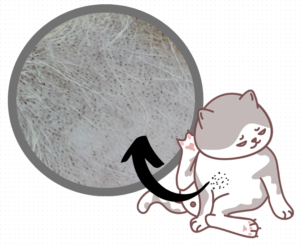
What Are the Black Dots on My Cat’s Skin?
Those little black specks on your cat's chin, tail, or belly are usually the early sign of folliculitis—clogged, infected hair follicles that look like human blackheads. It is common, mild, and very treatable with gentle local cleaning, a lighter diet, and a few daily-habit tweaks. Here is how to recognize it and clear it up.
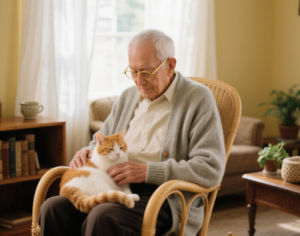
Why Are Cats Raised by Elderly Owners So Calm and Obedient?
Cats kept by elderly owners often seem gentler and more obedient than the lively pets raised by younger people, and the reason is rooted in pet behavior science. Cats love calm, predictable routines, and an older person's slow, regular daily rhythm gives them a sense of safety that lowers their guard. Seniors also provide the 'effective companionship' cats value most—short, low-intensity interactions like petting and soft talk scattered through the day—rather than infrequent marathon play sessions. On top of that, elderly owners tend to be gentle yet consistent: they neither shout nor overindulge, setting clear rules while offering unconditional acceptance. This calm, secure environment lets a cat relax and show its sweetest side.
What medicine should I give a cat that vomits white foam?
White-foam vomit can signal spoiled food, a foreign object, hairballs or gastroenteritis. Medication is usually not advised until the cause is known, since a vomiting cat will just throw the medicine back up.