Search Results
1256 results for “how to hold a cat”

Why Is My Cat Having Diarrhea Again?
Diarrhea is loose or unformed stool from food moving too fast through the gut to absorb water and nutrients, and it can be acute or chronic. Causes range from infections, parasites, and diet changes to stress and underlying gut disease; at home, keep water available, feed small frequent easily digested meals, and use smectite or pet probiotics for mild cases — but see a vet for blood, fever, lethargy, or ongoing diarrhea in an unvaccinated cat.

What to Watch For When Bringing a New Cat Home
A new cat finds a fresh home stressful, so give it a quiet space, food and water, and time to hide — once it uses the litter box it has relaxed. Hold off on outings, baths, or forced cuddles, feed only a transition diet with a little probiotic for the first week, skip cow's or goat's milk (lactose intolerance), and go easy on canned food; when it finally rolls over and purrs, you have earned its trust.

Why Do Cats Get Gastroenteritis?
Cat gastroenteritis is the most common pet illness, usually from spoiled food, a kitten's shallow stomach overloaded with food, lactose intolerance, sudden weather shifts, or poisoning. Treat with a short fast to heal the gut lining plus a cat-specific antibiotic, and head to a vet if there's no improvement — never use human stomach medicine.
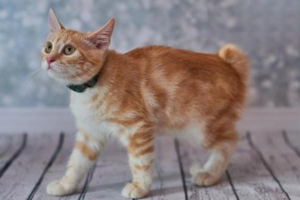
Does a Cat Need to Fast Before a Checkup? Pre-Exam Tips
Cats should be checked at least yearly, with tests matched to age — and a little prep improves accuracy. Keep life calm for a week before, fast only if blood glucose or bile-acid tests are planned, and bring a note of any changes (drinking, weight, vomiting, litter habits) to discuss with the vet.

Common Causes and Treatment of Ringworm in Cats, Dogs, and Rabbits
Ringworm (dermatophytosis) is a highly contagious, zoonotic fungal infection that strikes animals with weak skin immunity — especially youngsters and those in damp, dirty surroundings — and can pass to humans. Treatment means isolating the pet, clipping and disinfecting lesions, antifungal sprays or ointments (plus oral antifungals and B-vitamins for severe cases, with liver support), and thorough environmental cleaning; rabbits need ivermectin-based mite control to prevent it. Keep the home dry and ventilated, bathe sparingly with pet shampoo, and use a little sunlight to stop outbreaks before they start.

How to Prevent Cat Obesity and Feed an Overweight Cat
Obesity burdens a cat's heart and breathing and invites chronic and liver disease, so do not overfeed for the sake of looks. Cut portions, keep nutrition up with a supplement, and add daily play to slim the cat down safely.

How to Pick Up a Cat Without a Struggle
A cat resists being picked up when the hold is wrong — dangling body parts trigger fear or biting. Always support the chest and hind legs with your hands (or a gentle wrap for a sick cat), cradle kittens with one hand under the belly and the other at the neck and head, and let show cats learn the 'stretched, held high' pose judges use. Regular handling by guests also helps a cat accept strangers.

Cat Frequent Urination with Little Output: Urinary Stones
Frequent trips to the litter box with only a few drops — or none — is a classic sign of feline urinary stones. Low water intake, excess dietary minerals, infection, and lack of exercise let crystals build up and block the urethra, so vet care should not be delayed.
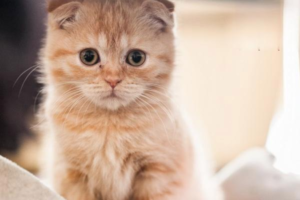
Common Causes of Hair Loss in Cats
Some shedding is normal — seasonal coats and diet — but sudden or patchy hair loss can signal endocrine disorder, fungal infection, or parasites. Match the pattern to the cause and see a vet for anything beyond routine shedding.
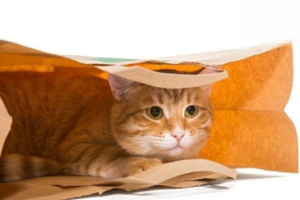
Can Cleaning a Cat’s Ears with Cotton Swabs Make Infection Worse?
A cat's L-shaped ear canal means cotton swabs can't reach deep wax and may pack debris inward or injure the eardrum. Clean with ear solution and let the cat shake it out, check ears often, and use a reliable parasite preventive.