Search Results
1256 results for “how to hold a cat”

Theraphosa apophysis
The Venezuelan Pinkfoot Tarantula (Theraphosa apophysis) is one of the largest spiders in the world, rivaling the Goliath birdeater in size. Rare in trade due to export bans from Venezuela, it is a prized but challenging tarantula for advanced keepers.
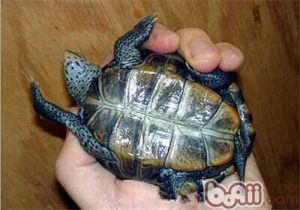
Florida East Coast Diamondback Terrapin
The Florida East Coast Diamondback Terrapin (Malaclemys terrapin) is a dark, subdued brackish-marsh turtle from Florida's Atlantic coast, uncommon in the trade. Unique among turtles, it thrives in brackish water near seawater salinity, so it is best kept in slightly brackish conditions.

East African Black Mud Turtle
The East African Black Mud Turtle is scarce in the wild and thus rarely kept in captivity; in China it is uncommon, though other side-neck species are seen more often, indicating its rarity and need for protection. It eats both plants and animals, living in shallow water and occasionally climbing onto land.
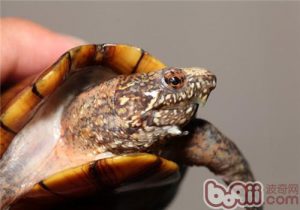
Kinosternon acutum (Tabasco Mud Turtle)
The Tabasco mud turtle (Kinosternon acutum) is a medium-sized mud turtle prized for its vivid head striping, found mainly in the Mexican Caribbean lowlands. It is rarer than the narrow-bridged musk turtle and seldom seen on the market.

Travancore Tortoise
The Travancore Tortoise (Indotestudo travancorica) closely resembles the Burmese Star Tortoise in appearance and shares its preference for a dry habitat. Though sometimes considered a subspecies of the Burmese tortoise, this has never been confirmed; it is a shy, inactive tortoise suited to simple husbandry.

Phormictopus cancerides
The Haitian brown tarantula (Phormictopus cancerides), also known as the Dominican blue tarantula, is native to the tropical rainforests of Haiti and Brazil. It is one of the classic pet tarantula species kept by enthusiasts.

Canine and Feline Infectious Oral Papillomatosis
Infectious oral papillomatosis is a benign viral wart of the mouth caused by a papillomavirus and spread by direct contact, mainly in young dogs. The growths usually regress on their own within a few weeks, though large numbers can interfere with eating.

Canine and Feline Otitis Externa
Otitis externa is inflammation of the outer ear canal, commonly triggered by ear mites, foreign material, or improper cleaning that lets bacteria or fungi take hold. Treatment means cleaning the canal and tackling the underlying cause, with surgery reserved for chronic, end-stage cases.

Canine and Feline Hyperadrenocorticism (Cushing’s Syndrome)
Hyperadrenocorticism, or Cushing's disease, is an endocrine disorder in which the adrenal glands overproduce cortisol, most often because of a pituitary tumor. It causes increased thirst and urination, a ravenous appetite, muscle wasting, a pot-bellied appearance, and symmetric hair loss, and usually requires lifelong management.

Canine and Feline Trichomoniasis: Symptoms, Treatment, and Prevention
Trichomoniasis is a protozoal parasite infection of dogs and cats, most often caused by Pentatrichomonas, that produces stubborn, mucoid, sometimes bloody diarrhea. It spreads through contaminated food and water and is managed with antiprotozoal therapy plus supportive care.