Search Results
7234 results for “how to give”

How to Tell If Your Cat Has Mites
The hallmark of a mite infestation is intense itching with irregular red patches and hair loss. Unlike ringworm's neat circular rings, mite damage looks blotchy and worsens the more your cat scratches, sometimes progressing to blisters and discharge.

How to Bathe and Deworm Your Cat
Regular deworming protects both your cat and your home. Plan on an internal dewormer every three months and an external one every month, and always bathe your cat before applying a topical product so the treatment can work.

White Sesame-Sized Bugs on a Puppy
White sesame-sized bugs on a puppy are usually fleas; their bites cause allergic and bite dermatitis, itching, restlessness and, over time, anemia. Treat with a medicated bath and a vet-recommended spray and ointment, and don't handle the coat bare-handed so eggs don't spread to you.

What to Do About a Puppy’s Pus-Like Nasal Discharge
Puppies get runny noses often, and some discharge is normal, but thick pus-like discharge with sneezing, dried mucus, low appetite and sleepiness signals illness. Warm the pup, confirm fever, and treat a cold or respiratory infection; severe cases need the vet.
How to Treat Cat Gastroenteritis
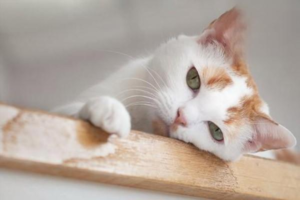
Gastroenteritis is common in cats—their digestion handles grains and sharp bones poorly, and spoiled food can trigger acute gastritis. Signs are vomiting, diarrhea, lethargy, appetite loss and dehydration. Withhold food briefly for mild cases, but persistent symptoms, especially in kittens, need a vet.

When Should a Kitten Be Dewormed?
Kittens can be dewormed from about 2–3 months of age; internal and external deworming are separate steps. Always dose by weight and age—too much harms the cat, too little does nothing. Weak kittens should wait until 4 months, and pregnant cats only after the kittens are weaned.

Can an Indoor Cat Still Get Fleas?
Yes—fleas can reach an indoor cat through a contaminated home or other animals, and owners can carry flea eggs in on shoes and clothes. Prevent with regular deworming and a clean environment; treat infestations with a medicated bath plus thorough home cleaning.

Cat Vomiting Yellow Fluid Several Times a Day: What to Do
Vomiting yellow fluid multiple times a day is not normal and can stem from parasites, infection, empty-stomach acid, gut disease or something eaten. Hair in the vomit points to a hairball. Frequent vomiting dehydrates fast, so identify the cause and get veterinary help if it persists.

Parasites on a Kitten: What to Do
Parasites are common in kittens—both internal worms (roundworm, tapeworm, hookworm) and external ones (fleas, mites). Beyond regular deworming, the living environment must be disinfected, since where the kitten has parasites, the home does too. Follow weight- and age-based dosing carefully.
My Poodle has a fungal infection, is very itchy, and is losing hair — how should I treat it?
For a confirmed fungal ear infection, disinfect the area with an antiseptic solution, then apply a vet-recommended antifungal ointment. Also check the whole body for spread; if unaffected, a medicated antifungal bath helps prevent other areas from being infected.