Search Results
7234 results for “how to give”

Why Labs Make the Best Guide Dogs
Labradors combine a gentle nature, unusual self-control, quick learning, and strong obedience, which is why they lead the guide-dog world. If you meet one working, leave it be.

Dog Fever: Causes, Signs, and What to Do
Fever in dogs can come from a cold, internal inflammation, or infectious disease, and shows as a rise in temperature with lethargy and dry nose. Treat the underlying cause under veterinary guidance — never give human medicine.

What Your Dog’s Sleeping Spot Says About Your Bond
Where a dog sleeps reveals how safe and attached it feels. Following you, hiding under furniture, claiming your bed, or resting calmly in its own crate each tells a different story about trust and independence.

How Long Can a Dog Stay by Your Side?
A dog's lifespan mostly tracks its size — small breeds often reach 15 to 20 years, while large breeds are shorter-lived — but climate and genetics also matter. Good care, neutering, and senior nutrition can add precious years together.

Why Do Cats See So Well in the Dark?
A cat's night vision comes from a high density of rod cells, a mirror-like retina that amplifies dim light, and unusually large corneas and lenses set close to the retina. Together these let cats hunt and move in light far too faint for human eyes.

Do Hot Ears Mean Your Cat Has a Fever
Hot ears don't always mean fever. A cat's weak sweat glands make it heat up in a warm room, and thin ear skin warms fast, so offer water and shade first. True fever brings dullness, dry nose, and poor appetite, and a thermometer confirms it.
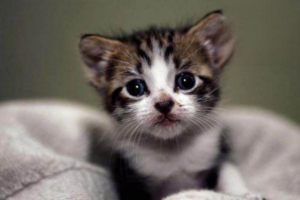
Cat Gastritis: Symptoms and Treatment
A cat's weak gut makes gastritis common, and it's uncomfortable for both cat and owner. Causes range from hard-to-digest grains and bones to spoiled food, with vomiting and diarrhea as the main signs. Short fasting, vet-directed medication, and clean feeding prevent it.
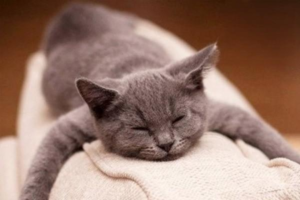
Can a Feverish Cat Recover on Its Own
A cat's normal temperature runs 37–39°C, and it cools itself through paw sweat glands and panting. Mild fevers can ease with physical cooling, but a high fever from infection or virus needs a vet. Watch the ears and tail, and keep the cat nourished while it recovers.

Kitten Won’t Eat, Looks Lethargic, and Is Wasting Away
When a kitten refuses food, goes limp, and loses weight over three to five days, the gut is usually to blame. Hairballs, overeating, parasites, or gastritis are the usual suspects. A bland, scheduled diet and the right supplement typically bring the appetite back.
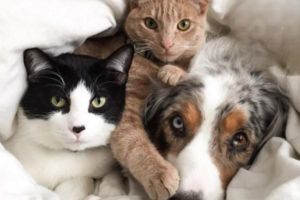
What to Do After Adopting a Cat or Dog
Adopting gives a stray a home and saves the cost of buying. Once you bring one home, the first steps are a full health check, deworming, good nutrition, and gut care, since strays arrive with unknown histories. Commit for life rather than on a whim.