Search Results
188 results for “how to give dewormer”
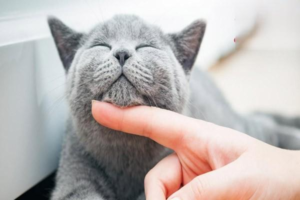
Why Your Cat May Sleep More or Pass Gas After Deworming
House cats are usually dewormed every 2-3 months, and most show no reaction, but a cat with a heavy parasite load or a weak constitution can have mild side effects. Frequent passing of gas comes from the drug speeding gut movement and fermenting food; if the cat acts normal it eases within an hour, and a pet probiotic can help. Mild vomiting or diarrhea, drowsiness, or lowered appetite are also usually normal and pass in 1-2 days, though severe cases need a vet to rule out toxicity or fatty liver.

What to Do If Your Dog Coughs or Retches After Deworming
Dogs rarely cough after a dewormer, but when it happens the tablet may be lodged in the throat, offer water to help swallow it. Coughing or retching can also stem from excitement rather than allergy, and a correct dose seldom harms the dog. Other common reactions include worms in the stool, vomiting, and diarrhea. Overdose or a sensitive gut causes vomiting and diarrhea; observe for 1-2 days, fast briefly, and use a pet probiotic, but seek a vet if it's severe. Unvaccinated dogs with these signs need viral testing.
After deworming my cat this morning, by afternoon it’s very sleepy, walks unsteadily, pupils sometimes dilated, low energy — but still eats, no vomiting
If a cat shows unsteady walking, sleepiness, and dilated pupils after deworming, suspect dewormer poisoning. Take it to a vet promptly — stomach pumping, IV detox, and liver/nerve support may be needed. Wipe the application site with alcohol to remove residue, and if a visit isn't possible, give water to dilute and promote excretion.

Treatment for Inflammatory Bowel Disease (IBD) in Dogs
IBD in dogs is treated with a novel or hydrolyzed-protein diet, antibiotics (metronidazole, tylosin), corticosteroids (prednisone), sulfasalazine for the colon, and sometimes azathioprine. Home care means strict meds and diet, regular follow-up, and watching for infection or steroid side effects.

What to Do When Your Cat Vomits: Emergency Steps
A cat that suddenly vomits usually has one of four problems: dietary indiscretion, digestive upset, hairballs, or an infectious disease. Most cases settle with probiotics or a dewormer, but repeated vomiting or signs of panleukopenia mean a vet visit.

Kitten Won’t Eat, Looks Lethargic, and Is Wasting Away
When a kitten refuses food, goes limp, and loses weight over three to five days, the gut is usually to blame. Hairballs, overeating, parasites, or gastritis are the usual suspects. A bland, scheduled diet and the right supplement typically bring the appetite back.

How to Deworm a Cat With Parasites
Once a cat picks up parasites, it's a real problem because they can stunt growth and even kill. Roundworms, hookworms, filarial worms, and tapeworms each have their own signs. A proper internal and external deworming routine, timed around meals, clears them and keeps them away.

Why Your Cat Needs Deworming
Regular deworming is a basic safeguard for your cat's health, splitting into internal and external care on a three-month and one-month rhythm. Apply external drops where the cat can't lick, time internal tablets around meals, and follow with a probiotic to protect the gut.

Does a Kitten Really Need Deworming After Two Months
Regular deworming protects both cat and owner, with internal treatment every three months and external every month. Time the doses around meals, hold off during gut upset, and support the stomach with a probiotic afterward. Skip raw meat and unfamiliar foods right after treatment.

Cat Suddenly Stopped Eating and Looks Lethargic
When a cat refuses food, loses energy, and wastes away for three to five days, the gut is usually involved. Hairballs, overeating, parasites, or gastritis are common culprits. A bland, scheduled diet and the right supplement often bring the appetite back.