Search Results
396 results for “how to care for kittens”

What to Do When Your Cat Is Not Affectionate
A cat's aloofness is shaped far more by its socialization period than by genes. Kittens that miss gentle, trusting contact with people between roughly 2 and 12 weeks — or that had a bad experience then — grow up wary. There is no quick fix; rebuilding trust is slow, especially over a difficult kittenhood, so focus on steady care, routine, and calming aids like music or pheromones.

Treating E. coli Infection in Dogs and Cats
Colibacillosis is an acute intestinal infection of young dogs and cats caused by pathogenic E. coli, marked by fever, vomiting, and foul-smelling diarrhea that can turn fatal. It mimics many other diseases (distemper, parvovirus, salmonellosis), so a lab test is needed for diagnosis; treatment is antibiotics chosen by sensitivity testing plus strict hygiene and early colostrum.
Why Cats Feel Fear and Anxiety
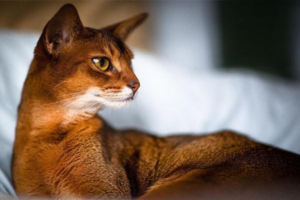
A cat's fear and anxiety are learned, not innate, and come from strangers, new pets, sudden movements, loud noises, leaving home, and especially punishment. Socialize kittens before 11–12 weeks, introduce new animals slowly through scent, avoid startling play, cushion noise, and replace scolding with trust-building to keep a cat confident.
What Is Feline Mastitis and What Are Its Symptoms?
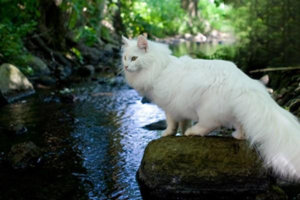
Feline mastitis is inflammation of the mammary glands caused by bacteria such as Staphylococcus, Streptococcus, or E. coli, marked by one or more glands that are red, swollen, hot, and painful, with cloudy or bloody milk and a queen that refuses to nurse. Treatment stops nursing, cleans and drains the gland, and infuses antibiotics (ampicillin or cephalexin) into the teat canal, with systemic antibiotics for severe cases.

Why Is My Cat Having Diarrhea Again?
Diarrhea is loose or unformed stool from food moving too fast through the gut to absorb water and nutrients, and it can be acute or chronic. Causes range from infections, parasites, and diet changes to stress and underlying gut disease; at home, keep water available, feed small frequent easily digested meals, and use smectite or pet probiotics for mild cases — but see a vet for blood, fever, lethargy, or ongoing diarrhea in an unvaccinated cat.

Why Do Cats Get Gastroenteritis?
Cat gastroenteritis is the most common pet illness, usually from spoiled food, a kitten's shallow stomach overloaded with food, lactose intolerance, sudden weather shifts, or poisoning. Treat with a short fast to heal the gut lining plus a cat-specific antibiotic, and head to a vet if there's no improvement — never use human stomach medicine.

Common Causes and Treatment of Ringworm in Cats, Dogs, and Rabbits
Ringworm (dermatophytosis) is a highly contagious, zoonotic fungal infection that strikes animals with weak skin immunity — especially youngsters and those in damp, dirty surroundings — and can pass to humans. Treatment means isolating the pet, clipping and disinfecting lesions, antifungal sprays or ointments (plus oral antifungals and B-vitamins for severe cases, with liver support), and thorough environmental cleaning; rabbits need ivermectin-based mite control to prevent it. Keep the home dry and ventilated, bathe sparingly with pet shampoo, and use a little sunlight to stop outbreaks before they start.
Is a Constantly Sneezing Kitten Necessarily Sick with a Cold
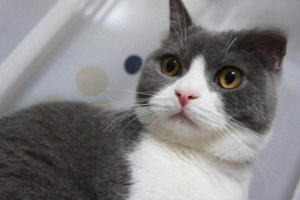
A kitten that sneezes and has a runny nose may not have a simple cold, especially since most unvaccinated kittens are vulnerable to herpesvirus and other infections. Test for herpesvirus first, keep the kitten warm, and let a vet choose any drug rather than dosing blindly.

How to Treat Feline Calicivirus
Feline calicivirus causes fever, painful mouth ulcers, and sneezing, with pneumonia risk in young kittens. Supportive care — feeding, fluids, and vet-directed antibiotics — plus FVRCP vaccination and regular disinfection are key.
How to Pick Up a Cat Without a Struggle
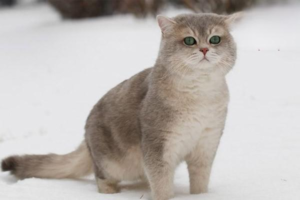
A cat resists being picked up when the hold is wrong — dangling body parts trigger fear or biting. Always support the chest and hind legs with your hands (or a gentle wrap for a sick cat), cradle kittens with one hand under the belly and the other at the neck and head, and let show cats learn the 'stretched, held high' pose judges use. Regular handling by guests also helps a cat accept strangers.