Search Results
396 results for “how to care for kittens”
Why Cats Love Catnip So Much
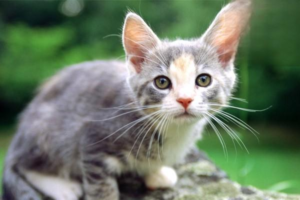
Catnip contains nepetalactone, a compound that triggers a euphoric response in sensitive cats — which is why it is nicknamed "cat cannabis." Affected cats rub, roll, and vocalize for a few frantic minutes, then lose interest, often returning hours later. It is safe with no real side effects, though about 30% of cats (and very young or old ones) are unaffected due to genetics. Beyond fun, catnip can lure a cat to a scratching post, encourage exercise, or ease picky eating.

Should You Reattach a Cat’s Lost Whisker?
A cat losing whiskers isn't something to glue back—whiskers can't be reattached, and usually they don't need to be. Shedding is normal with age (older cats' whiskers whiten, break, and fall as metabolism slows) and during growth (kittens lose and regrow them along with coat and teeth). The real worry is disease: skin infections (bacterial or fungal) and nutritional or metabolic disorders can also make whiskers fall. If loss comes with skin problems or you suspect a deficiency, act early—supplement vitamins and minerals, adjust the diet, check the skin, and consider fish-oil coat support.

What to Do When a Kitten Has a Cold
A kitten with a cold rarely gets better on its own, so step in early: give a cat-specific cold medicine (never a human one), and offer easy-to-swallow, nourishing foods like congee or goat-milk formula. Keep the kitten warm with extra bedding, off cold floors, and well hydrated; check for fever and treat it, and let it rest in gentle sunlight. If symptoms persist or worsen, see a vet.

What to Do When Your Cat’s Eye Is Swollen
A swollen cat eye usually comes from a play-related bump or scratch, a stray foreign object, an insect bite or sting, or inflammation such as conjunctivitis. Gentle cleaning with saline and a cat-specific eye drop often helps mild cases, while a suspected bee sting (with a venom-bearing stinger) or viral conjunctivitis from cat flu needs veterinary care. Keeping your cat's paws clean also prevents further infection.

What to Prepare When You Bring a Cat Home
Bringing a cat home means stocking up on a few essentials first. You'll need a litter box (open or semi-enclosed) with tofu litter and a scoop, plus ceramic or stainless steel food and water bowls and at least two water stations. For food, a quality dry kibble, occasional boiled chicken or beef, and a weekly wet-food meal cover the basics, with treats kept to a minimum. Scratching posts and teaser toys keep your cat active and protect your furniture, while nail clippers, cat-safe shampoo, a carrier, and a pet disinfectant handle grooming and outings. Finally, hairball remedies and a regular parasite-control plan keep your new companion healthy.
Feline Panleukopenia: How Fast Is It Fatal?
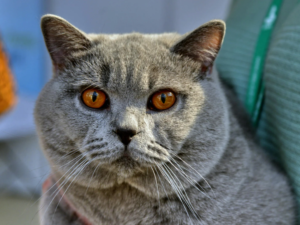
Panleukopenia is a deadly, highly contagious viral disease that attacks the gut and bone marrow. Unvaccinated kittens under a year often die within 2–4 days if untreated; unvaccinated adults usually within 5–7 days, some lasting around 10. Vaccinated cats rarely die. Early care lifts kitten survival above 50% and adults above 80%—and surviving one week usually means recovery. Prevention through vaccination beats treatment every time.

Kitten Vomited After Overeating—What to Do
A kitten's stomach is small, so eating too much or too fast easily triggers vomiting. Start by resting the gut with a short fast—1–2 hours (never long for under-three-month kittens, who risk low blood sugar)—then offer tiny amounts of water and easily digested food, building back up over a day or two. Tell simple overeating from illness by the cat's spirit, and head to a vet for frequent, bloody, or weakness-causing vomiting.

What Happens When a Cat Lacks Vitamin C
Long-term lack of vitamin C gives a cat scurvy: low spirit, poor appetite, anemia, weight loss and easy bleeding or skin inflammation. As it worsens, gums swell and bleed, wounds heal poorly, and in severe cases cheeks and tongue ulcerate or die back, with joint pain and bleeding in the bladder, gut, kidney or nose. Treat with oral or injected vitamin C plus symptomatic care, and prevent it with a balanced, complete diet, since processing destroys much of the vitamin in food.
Common Genetic Diseases in Ragdoll Cats
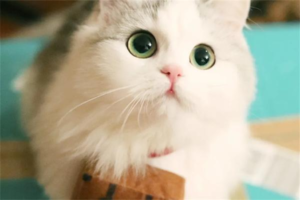
Ragdolls are prone to two inherited diseases: hypertrophic cardiomyopathy, where the heart wall thickens and can cause sudden cardiac death, and polycystic kidney disease, where fluid cysts enlarge the kidneys. HCM peaks at four to eight years and affects about 6 percent of the breed; PKD strikes at three to ten and is avoided if both parents test clear. Neither can be cured, only managed with care, kidney-support diets and vet-guided mineral supplements, so DNA testing and routine prevention matter.

What Is Feline Haemobartonellosis?
Feline haemobartonellosis, also called infectious anemia, is a rare but serious disease caused by a blood parasite that attacks red cells and triggers their destruction. It spreads through bites, scratches, fleas and ticks, and from mother to kitten, with outdoor and unneutered males at higher risk. Signs range from fever and lethargy to pale, yellow-tinged gums; diagnosis is by blood smear or PCR. Treatment uses antibiotics such as doxycycline or enrofloxacin plus supportive care, though the cat stays a lifelong carrier.