Search Results
396 results for “how to care for kittens”

What Are Feline Coccidia, Tritrichomonas, and Giardia?
Coccidia, tritrichomonas, and giardia usually cause gastrointestinal symptoms in cats, like diarrhea and blood in stool. Here's an introduction.

Early Symptoms of Feline Panleukopenia (Cat Distemper)
Many new owners know cat distemper is scary but not its specifics or treatment. Here's an introduction.
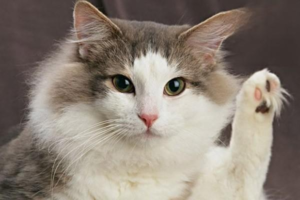
Home Treatment for Feline Rhinotracheitis (Cat Flu)
As pet care becomes scientific and vet medicine matures, treating cat flu is easier. With a scientific plan by symptoms, it heals fast. Here's its impact and treatment.
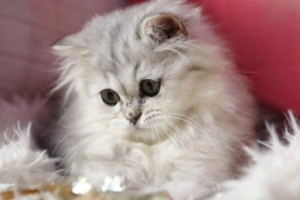
Best Time for Cat Spay/Neuter Surgery
When is the best time? Before or after heat? At 6 or 12 months? Let's look into it.

What Is Canine Campylobacteriosis
Canine campylobacteriosis is caused by Campylobacter, a bacterium commonly associated with diarrhea in dogs, cats, and humans. In recent years, Campylobacter has gone from an obscure veterinary pathogen to a well-known major cause of human enteritis. This article explains what canine campylobacteriosis is.

What If Your Cat Still Has Soft Stool After Deworming?
Soft stool has many causes: irritating or overeaten food (fragile kitten guts cause poor digestion, soft stool, even diarrhea), parasite infection, early feline distemper, etc. Owners can first give some probiotics to settle the gut.

Feline Immunodeficiency Virus (FIV): Symptoms, Treatment and Prevention
A cat with FIV shows: chronic stomatitis, gingivitis, fever, weight loss, lymph node inflammation, anemia, diarrhea, and neurological signs. The main transmission route is thought to be bite wounds; experiments also confirm the possibility of placental infection, though not yet proven clinically, and a queen may pass it to kittens via saliva or milk.

What Is Feline Distemper and What Are Its Symptoms?
Feline distemper is the name for acute, highly contagious diseases such as feline panleukopenia and feline infectious enteritis. A cat with distemper shows fever, panleukopenia, vomiting, diarrhea, bloody stool, lethargy, and loss of appetite.

Symptoms and Treatment of Feline Distemper
Feline distemper, also called feline panleukopenia or feline infectious enteritis, is an acute, highly contagious disease in cats. A cat with distemper shows: reduced white blood cells, reduced appetite, soft stool, vomiting, fever, dehydration, and other symptoms.

What You Should Know About Vaccinating Your Cat
Whether your cat is a newborn, a newly purchased kitten, or a rescued stray you just adopted, if it has not yet been vaccinated, the first step in responsible cat care is to get it vaccinated. Do not underestimate vaccines—though they may seem insignificant, they are crucial to protecting your cat's health. Vaccines effectively prevent infectious diseases and, to some extent, lighten the burden on owners. Everyone should take them seriously.