Search Results
56 results for “hot compress”
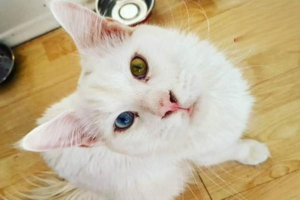
Pharyngitis in Cats and Dogs
Pharyngitis in cats and dogs is inflammation of the pharyngeal mucosa or deeper tissues. Its clinical signs are drooling, difficulty swallowing, and a swollen, sensitive throat. It is especially common in short-faced dog breeds because their long soft palates or everted saccules cause reflux of food or water. Here is a detailed look at its causes, signs, and treatment.

Yes, Dogs Can Get Pharyngitis Too
Dogs are popular family pets, and their numbers keep growing. But dogs have weaker resistance and are greedy eaters, so inflammations like pharyngitis are common. Here is what every owner should know about the causes, symptoms, and treatment of dog pharyngitis.

How to Prevent and Treat Cat and Dog Ringworm
Whether cat or dog, ringworm harms more than the pet — it is highly contagious and can pass between animals and people. It takes a long time to cure and disrupts daily life. Owners must take prevention seriously. Here is how.

How to Care for Kits in Winter
Winter's cold is very harmful to kits; owners must step up care. Here is what to do so rabbits get through winter safely.

How to Prevent Rabbit Heatstroke
Summer heat easily causes heatstroke in rabbits; above 33°C it can bring twitching, coma even death. Learn the prevention and the first-aid steps.

How to Prevent and Treat Rabbit Mastitis
Oversupply, thick milk, unclean glands, low water or breast trauma can all cause mastitis in nursing does. It is a key disease to prevent. Here is how.

How to Prevent Rabbit Yellow Urine Disease
Yellow urine disease is a major threat to young kits, usually appearing around 7 days of age with a high death rate if untreated. Preventing doe mastitis is the key. Here is how.

Causes and Control of Kit Yellow Urine Disease
Kit yellow urine disease is acute enteritis named for the yellow stools. Hot humid summer and doe milk problems are major factors. Here is what causes it and how to control it.

Causes and Symptoms of Rabbit Mastitis
Rabbit mastitis mostly hits nursing does, from stagnant milk or breast trauma. Learn the causes, signs and how to treat each stage.

Upper Respiratory Diseases in Dogs and Cats: Types and Treatment
Upper respiratory disease is common in dogs and cats, with sneezing, tearing, low appetite, and breathing trouble, and it often triggers secondary infections. This guide covers colds, nosebleed, rhinitis, laryngitis, and tonsillitis, with the drugs that help each.