Search Results
188 results for “homemade”

Feeding Your Cat the Scientific Way
Commercial cat foods are formulated to strict nutrition and safety standards, so a quality kibble matched to your cat's life stage is the simplest healthy staple. Human foods like rice, salt, and plain boiled chicken are poor or even harmful substitutes. This guide covers choosing food, using wet food wisely, and the free-feeding approach that suits a cat's graze-and-nibble nature.

Four Winter Diet Points to Keep Cats Healthy
Cold weather means cats burn more energy and need smarter feeding to stay well. Beyond cat food, add freeze-dried meat snacks like chicken, quail, or herring to keep energy up, top up vitamins and trace elements, supplement calcium in moderation, and make sure your cat drinks enough warm water. These four adjustments help fend off the minor illnesses winter tends to bring.

Four Winter Diet Tips to Keep Cats Healthy
Cold weather raises a cat's energy needs and weakens its natural defenses, making winter a season of extra health risks. Supporting your cat's immunity through diet is one of the simplest ways to help it sail through the cold months. From adding more meat to the kibble to topping up vitamins, calcium, and warm water, here are four practical feeding adjustments every owner should know for a healthy, comfortable winter.

Treating and Preventing Cat Tartar
Ignored mouth hygiene leads to tartar, common in cats over two on soft food, peaking at five and eight. Plaque hardens into tartar that causes gum damage, loose teeth, and bad breath. Professional ultrasound scaling under anesthesia is best; severely bad teeth should be pulled. Prevent with early brushing using pet paste and gauze, and feed cat kibble.
How to Boost Your Cat’s Immunity
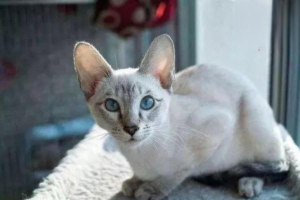
Strong immunity rests on diet and exercise. Feed quality protein, healthy fats, minerals, and taurine, with balanced freeze-dried food and enough water. Add play with boxes, wand toys, and cat tunnels, keeping intensity gradual to protect heart and joints. Consistency is the key to a long, healthy life.

Cat Bad Breath, Mouth Ulcers, and Stomatitis
Stomatitis often links to dry food and low water intake. For mild cases, switch to soft food and more water, clean the mouth daily with pet rinse or spray, and watch for worsening. Severe or unexplained cases need a vet, possibly tooth extraction, plus B-complex, anti-inflammatory, spray, and rinse. Rule out virus or foreign objects.

How to Convert Cat Years to Human Years
There is no perfectly scientific cat-to-human age chart, but the common rule beats the old 'one year equals seven' myth. A cat's first two years cover roughly a person's first 25 years, and after that each cat year is about four human years. That maps onto clear life stages: a kitten under six months, a 'teen' from seven months to two years, a prime adult of three to six, a mature cat of seven to ten, and a senior from ten to fifteen-plus. Pet cats average 12-15 years; the recorded oldest reached 38 years and 3 days, and Siamese tend to live longest.

Six Common Misconceptions About Raising Dogs
Six myths to drop: (1) making a dog stand often harms hips—some breeds have poor hip development, so avoid it and supplement calcium; (2) bathing too often strips protective skin oils and invites dermatitis—every 1–2 weeks is enough; (3) 'dogs don't hold grudges' is wrong—they just don't dwell on it, but chronic hitting/coldness makes them distant or depressed; (4) skipping walks fades the coat and weakens immunity—daily exercise matters; (5) skipping deworming raises parasite and skin-disease risk; (6) homemade food as the main diet causes pickiness and imbalance—balanced kibble should lead, with toppers added.

Recipe: Chicken Paste for Cats
Chicken paste is one of the easiest homemade cat foods to make, and its soft texture makes it ideal for kittens, older cats, or any cat that needs extra hydration. Poach a chicken breast in water for about five minutes, then blend the meat and broth together for a minute or two until smooth. The result is a gentle, high-protein meal you can serve on its own or stir into a cat's regular food.

Recipe: Duck Jerky Cat Treats
Duck jerky is one of the simplest homemade cat treats, and duck is a lean, novel protein that many cats enjoy. The method is easy: slice duck breast into strips, dehydrate at 68°C for about eight hours, and store it dry at room temperature. Five hundred grams of raw breast shrinks to roughly 100 g once dried, so a batch goes a long way as an occasional reward that also helps with teeth.