Search Results
48 results for “hissing”
What happens if a kitten is often beaten?
A frequently beaten kitten becomes sensitive with a phobia, hissing and scratching if approached. Violence can cause fractures, internal bleeding, or concussion, even death. It may also show stress like refusal to eat or blocked bladder. Never use violence; guide patiently.
What are the signs that an older cat has accepted a kitten?
If the older cat shows no aggression or hissing and gets along calmly with the kitten, it has accepted it. Cats are territorial; an unaccepted kitten gets driven away. Prepare separate toys and bowls and interact with both to speed acceptance.

Do Cats Hold Grudges? (They Probably Don’t)
Cats don't hold grudges—their memory is survival-oriented (short-term ~10–15 minutes; long-term only 'reward/punishment' links for danger avoidance). 'Revenge' acts like peeing on the bed are fear/stress responses or scent-marking for security, not spite. Keep trust with gentle handling and treats; if stressed, use pheromones and give space.
What happens to a cat that is beaten for a long time?
A cat that is beaten long-term becomes wary of humans, hissing and showing an arched back, puffed fur and airplane ears when approached, and may attack at any time. Such cats lack security and will not easily eat food offered by strangers. Household cats that are chronically beaten often hide in corners from fear and may try to run away.

What Causes Stress in Cats
Cat stress comes from many things: environment changes, lack of company, noise, broken routines, household conflict, and health issues. Keep the home stable and quiet, stick to a routine, respect its boundaries, and see a vet if urination, appetite, or vomiting problems appear.
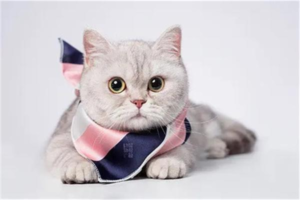
Why Does a Cat Arch Its Back When You Pet It?
A cat arches its back when petted for many reasons — to lean into pleasurable contact, to stretch, out of anger or fear (puffing up to look bigger), to coil before a pounce, or simply to invite play. The meaning comes from the situation and the cat's mood; brief arching is normal, but arching that lasts a long time can signal pain or illness.
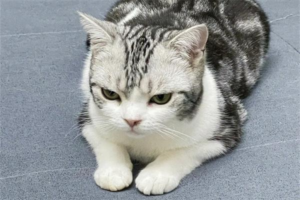
What to Do When Your Cat Hisses at You
Cats hiss from feeling threatened—new environments, food guarding, hunger, protecting kittens, pain, or a touched 'no-go' zone like the belly or paw pads. Don't hit back; redirect with treats or toys, use a calm voice, and if hissing is new or constant, rule out illness with a vet check.

When Does a Cat Get Angry and Bite?
A cat may suddenly bite when its territory is invaded, it's startled, the environment changes, or it's in pain or discomfort. Petting too long or hitting a sensitive spot can provoke it; a frightened cat may bite in self-defense; and a cat in pain can turn aggressive. Respect its space, read its body, and see a vet if biting comes with signs of illness.
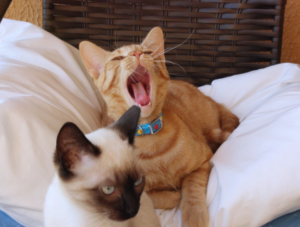
Yes, Cats Get Jealous: 5 Signs to Watch For
Cats may look aloof, but they do feel jealousy, rooted in a strong sense of ownership. When a new pet arrives or you focus on another animal, a cat may fixate on the "rival" while emitting a low growl. Some cats act out by spraying, destroying things, or fighting; others go quiet, hide, and refuse food. That withdrawal reflects sadness and anxiety, and if ignored it can harm health, lowering immunity, causing weight loss, or triggering feline idiopathic cystitis. The good news is that jealousy means your cat cares; more one-on-one time and a slow introduction of newcomers resolve most cases.
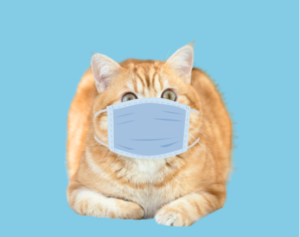
Smells Cats Hate Most (and Why They Matter)
A cat's nose is far sharper than ours, so scents we find fresh can be 'chemical weapons' to them. Most cats hate high-menthol products (white flower oil, cooling balms), citrus peels (limonene and linalool irritate their scent nerves and the plants are mildly toxic), and perfumes. They also reject other cats' smells—a stranger's scent can trigger defensive puffing and hissing. Alliums, camphor products, and vinegar round out the list, while secondhand smoke's 7,000-plus chemicals threaten a small cat's lungs far more than a human's. Keep these away from your cat.