Search Results
335 results for “hind limb”
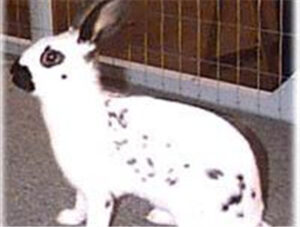
English Spot Rabbit
The English Spot Rabbit, also called the Spot Rabbit or British Spot Rabbit, is an ancient large pet rabbit resembling a Dalmatian dog with black spots across its white body. Not common in China, it needs attentive foot and ear care to stay healthy.
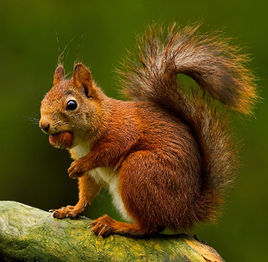
Eurasian Red Squirrel
The 'Demon King' squirrel generally refers to the Eurasian red squirrel (Sciurus vulgaris): head-body length 20–22 cm, tail length 18 cm, weight 280–350 g, with males and females roughly the same size. It does not hibernate. Fur color varies by season and location—head and back range from light red, brown, red to black, while the chest and belly are white or cream.
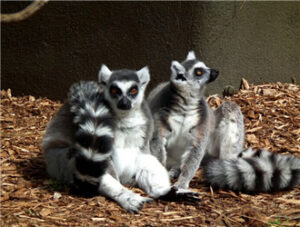
Lemur
The lemur (Lemur) is a relatively primitive primate. Most lemurs today live in eastern Madagascar, and their distinctive trait is that, as mammals, they possess echolocation ability. Madagascar off the coast of Africa is the lemur's last refuge; apart from this island, this primate with its beautiful large eyes has disappeared from everywhere else on Earth.

Chinchilla laniger
The Chinchilla laniger (Chinchilla laniger) is native to the Andes Mountains of South America, where it lives in caves and rock crevices at about 1,600 m elevation. Its appearance resembles that of a rabbit and a squirrel. A special feature is its pair of large, bright, ruby-red eyes, which are beautiful.

Slow Loris
The Slow Loris (Loris tardigradus) is a small prosimian of the family Lorisidae and genus Loris. It is nocturnal, moves slowly, and prefers to rest atop tree branches. In recent years, due to habitat destruction, hunting for use in traditional medicine, overhunting, and its own biological traits, it is on the brink of extinction.
Causes and Treatment of Ulcerative Pododermatitis (Sore Hocks) in Rabbits
Ulcerative pododermatitis (sore hocks) is a pressure-induced skin ulcer on the soles and sides of a rabbit's feet, most often seen in adults kept on hard or wire cage floors. It causes pain, reluctance to move and, if infected, can lead to abscesses, cellulitis or even fatal septicemia. Good hutch design, soft bedding and prompt wound care are key to prevention and treatment.
What happens to a dog one day after death?
One day after death a dog begins to show cadaveric odor, lividity and rigor mortis. The speed of post-mortem changes varies with cause of death, body condition and environment; body temperature drops within 30 minutes to 2 hours and rigor starts 1 to 6 hours.

Why Is My Dog Trembling for No Reason?
A dog may tremble from cold, fear, pain or illness (kidney disease, pancreatitis, distemper), calcium deficiency, old age, poisoning, or simply dreaming. Brief shaking with no other signs can be watched, but constant or worsening tremors — especially with foaming or seizures — need an immediate vet visit.
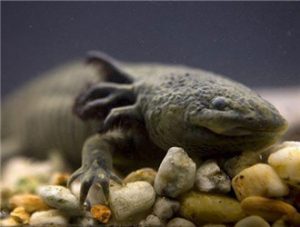
Chinese Giant Salamander
The Chinese Giant Salamander (Andrias davidianus) is one of the world's most precious amphibians, a Class II protected aquatic wildlife in China, nicknamed the 'baby fish' for its cry like an infant. Fierce and agile, in captivity it can live 50-60 years. It is carnivorous, swallowing prey whole.
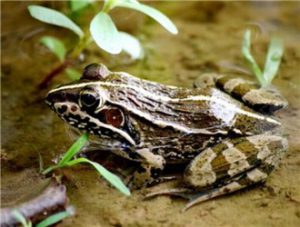
Indian Bullfrog (Tiger Frog)
The stout 'frog of Asia' with tiger-like markings - a China Grade II protected amphibian. Private keeping is illegal; profile is for farmers and breeders.