Search Results
343 results for “hind limb”

Intervertebral Disc Disease in Dogs
IVDD happens when a spinal disc bulges or bursts, pressing on the cord and weakening the hind legs. Signs range from a wobbly gait to lost knee reflexes and dragging toes, and need prompt care. Treatment blends anti-inflammatory and nerve-support medication with acupuncture and heat therapy, and daily home warmth aids recovery.

How to Give Your Cat Vitamin B
Ringworm often strikes weak, underfed cats and can stem from vitamin B lack, which also causes weight loss, hair loss, and serious nerve and eye damage. Use cat-specific B vitamins, not human ones they can't absorb, and feed B-rich food and fruit. After baths, dry fully, and disinfect the environment to stop ringworm spread.

Common Bone and Joint Diseases in Dogs
Poor care often deforms a dog's legs. Know the risks: hip and elbow dysplasia in retrievers and shepherds, osteochondrosis in large fast growers, femoral head issues in small breeds, and degenerative joint disease eased by weight control, gentle exercise, and glucosamine. Home setup matters too, slippery floors and stairs cause lasting damage.

6 Common Cat Diseases and How to Prevent Them
Cats hide pain well and can't tell you what's wrong, so owners need a basic grasp of common feline illnesses. Beyond regular checkups and vaccines, know the warning signs of the six frequent problems: urinary tract disease, respiratory infection, periodontal disease, parasites, ringworm, and ear mites. This guide summarizes each condition's symptoms and the everyday prevention that matters most—more water, less stress, dental care, deworming, and a clean, dry environment.
How to Supplement Vitamin B for Your Cat
Vitamin B deficiency in cats frequently appears as skin trouble—especially ringworm—along with a dull coat, weight loss, and loss of appetite, and in serious cases it can progress to eye and nerve problems. Because cats cannot store or synthesize enough B vitamins on their own, daily diet matters. This guide covers the warning signs of deficiency, why human B supplements are a poor fit for cats, and safe ways to meet their needs: B-rich cat food, small amounts of fruit, thorough drying after baths, regular disinfection of bedding and surroundings, and sunlight to help keep skin healthy.

Canine Hip Dysplasia: A ‘Destiny’ for Large Breeds?
Hip dysplasia is a hereditary joint fault where the ball and socket fit poorly, loosening the joint and eventually causing arthritis. Large breeds like Golden, Lab, and Shepherd are most at risk. Early signs are subtle—occasional hind-limb limping, slow rising, reluctance on stairs—while advanced cases show a swaying gait and muscle loss. X-rays and PennHIP confirm it; weight control, gentle exercise, joint supplements, and vet-guided pain care slow its course.
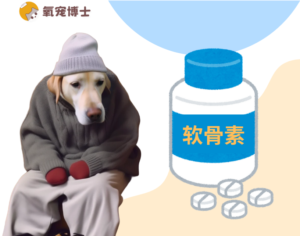
What Is Chondroitin for Dogs, and Who Needs It?
Chondroitin, or chondroitin sulfate, is a natural compound in cartilage that feeds joint cells, locks in joint fluid, and calms inflammation. Healthy young dogs get enough from food, but seniors, large breeds, dogs with joint-prone genetics, the obese, and hard-working dogs benefit from supplements—ideally paired with glucosamine and omega-3. It supports, not replaces, veterinary care for real joint pain.
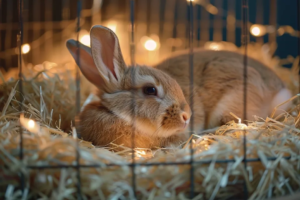
Understanding a Rabbit’s Physical Traits
Rabbits are built for alertness and quick escape. Their freely rotating ears carry dense blood vessels that release heat and give keen hearing, while eyes set on the sides of the head give a near 300-degree view, though daytime sight is weak. A constantly twitching nose reads scent, whiskers map nearby objects, and 28 ever-growing teeth demand constant chewing. Strong hind legs power leaps, a fragile skeleton needs careful handling, and body size ranges from under 2 kg to 8 kg across small, medium and large types.
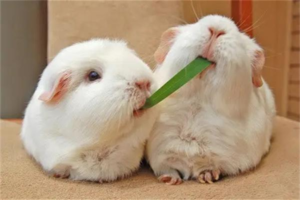
Where Do Guinea Pigs Like to Be Petted?
Guinea pigs enjoy being stroked on the head, under the chin, and behind the ears, with the head between the eyes and crown being the easiest spot to accept. Avoid the back and rear, which are off-limits and may provoke a bite. A newly arrived pig is fearful and should not be handled until it settles; most take 3 to 7 days to adjust, after which gentle head strokes build trust. Once bonded, the pig may run to you, climb into your hand, and become clingy.

Large-headed Turtle
A Chinese-endemic 'big-head' turtle that looks like a Reeves' but with a huge triangular head it cannot retract - a threatened, somewhat delicate water turtle.