Search Results
343 results for “hind limb”

Prevention and Treatment of Colds in Turtles
A turtle cold can progress to pneumonia, which is far more dangerous, so treat it promptly and watch for pneumonia signs. Isolate the sick turtle, keep the enclosure at about 30°C, and use antibiotic baths (e.g., cephalexin) or amoxicillin by weight; prevention focuses on good water quality and strong immunity.
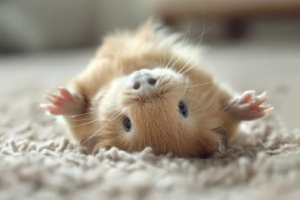
Common Guinea Pig Diseases and How to Prevent and Treat Them
Coccidiosis, colds, and diarrhea are among the most common health problems in guinea pigs, and owners should focus on preventing them. This guide outlines practical prevention and treatment measures for these frequent guinea pig illnesses, from medication and wound care to daily hygiene checks.

Dragon Li
Dragon Li (details)

Cymric
The Cymric, English name Cymric, is also called the Longhaired Manx or Longhaired Isle of Man cat. From its alias we know it is a longhaired cat; though long-haired, it's not hard to groom. Its most striking feature is having no tail, drawing immediate attention.
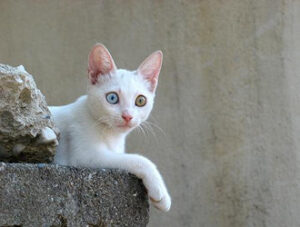
TurkishVan
Turkish Van (details)

Turkish Angora
The Turkish Angora, named for Turkey's capital Ankara, is one of the oldest long-haired breeds, dating to the 16th century. Elegant with silky, medium-length coat and almond eyes, it is agile, independent, and famously fond of water. Once nearly supplanted by the Persian, it was revived in the US from 1963 and is now carefully bred to preserve its pure bloodline.

Siberian
The Siberian Forest Cat, shortened to Siberian Cat, has the earliest written records from the 11th century: it was a very common cat in Russian markets and Siberian villages. Living in a harsh country, it is covered in long fur with a thick ruff around the neck. Its outer guard hairs are hard, smooth, and oily, and its dense undercoat resists the Siberian cold.

Russian Blue
The Russian Blue, also called Russian Blue, Archangel Blue, or Maltese cat, with English name Russian Blue, is known as the 'aristocrat of shorthairs' and 'elf of winter.' Originating in the 19th century, once only in Russia, now worldwide. Few in number globally; buying one costs at least tens of thousands. Cheap ones are hybrids.

Selkirk Rex
The Selkirk Rex, English name Selkirk Rex, is one of the newest natural breeds, evolved from domestic cats. First from Wyoming, USA, cross-bred with Persians to develop its traits, it can be crossed with Persians, Exotic Shorthairs, British and American Shorthairs. Free of genetic diseases, it is a very healthy cat distinguished by its fully curly coat—even the whiskers curl.

Oriental Shorthair
The Oriental Shorthair is a distinct breed, unexpectedly produced by breeders while developing another cat. They wanted a pure-white Siamese, so crossed Siamese with pure-white cats, producing today's Oriental. Though born in 1962, it was recognized as a new breed in 1972. Its appearance is close to the Siamese but differs greatly in coat color.