Search Results
207 results for “high energy dog food”

Why Pets Gain Weight After Spaying or Neutering
An intact cat's base metabolic rate is about 30 percent higher than a neutered cat's, so the same food leads to faster weight gain after the procedure. Obesity raises the risk of heart disease, diabetes, high blood pressure, arthritis, fatty liver, and more. The fix is diet and exercise: feed timed, smaller, high-protein low-fat meals, drop the treats, and keep moving, with low-impact activity like swimming for joint-prone breeds.

Spaying and Neutering for a Longer Bond
Neutering does more good than harm: it lengthens life by slowing organ aging, cuts cancer risk, and reduces roaming, howling, and fighting. Prepare with fasting and the right timing (after first heat, not during), and care post-op with rest, warmth, wound cleaning, and an E-collar. Males are best done at 7-8 months, females after their first cycle.

Does Your Cat Really Need to Be Spayed or Neutered?
Must a cat be spayed or neutered? Many owners have this doubt. In fact, neutering is the best overall way to ensure a pet's welfare and improve its quality of life. If the owner does not plan to breed the cat, it is best to have it fixed. Let us look in detail at the benefits of neutering and the impact of not neutering.
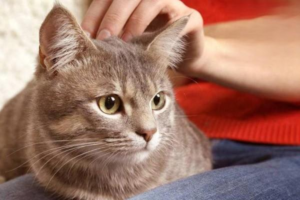
Cat Anatomy and Nutritional Requirements
A cat's body has nine notable parts (limbs, eyes, teeth, paw pads, nose, tongue, claws, whiskers, ears), and its diet needs core nutrients: protein, fat, carbohydrates, water, crude fiber, magnesium, calcium, phosphorus, and taurine. As obligate carnivores, cats need animal-source nutrition.

Can Pets Eat Beets? Benefits and Safety Tips
Beets are a low-calorie root vegetable that can be a healthy occasional treat for dogs and cats. Learn the potential benefits — fiber, nitrates, betalains — and the precautions to feed them safely.

Can Canine Distemper Be Cured?
Canine distemper is a highly contagious viral disease with over 50% mortality, but caught early it is often treatable. Symptoms move from mild fever and diarrhea to severe eye and nerve damage, so any suspected case needs immediate veterinary care.

Cold Symptoms in Teddy Poodles: How to Tell
Teddy Poodles often catch colds without the usual sneezing or runny nose, so the clues are subtler — lethargy, lost appetite, heavier breathing, and mood swings. Feeling the nose and inner thigh for warmth is a quick way to confirm a fever before a vet visit.
- « Previous
- 1
- …
- 19
- 20
- 21