Search Results
88 results for “hereditary dog disease”

West Highland White Terrier
The West Highland White Terrier, or "Westie," originated in the 19th century in the western Highlands of Scotland. A pure-white terrier with a fox-like appearance, it was originally bred to hunt otters, foxes, and rats.

Japanese Spitzbn
The Japanese Spitz is a small, energetic and alert white fox-like companion dog from Japan that barks at strangers and suits indoor family life.

Shih Tzu
The Shih Tzu is an ancient, sturdy toy dog from Tibet, China, with a proud carriage and long flowing coat. Noble but not arrogant, cheerful, friendly, and affectionate, it is a beloved companion.

Boxer
The Boxer is a medium, square-built dog from Germany with a distinctive face—fierce-looking yet exceptionally gentle and playful. Loyal, trustworthy, and good with children, it is a devoted family companion.
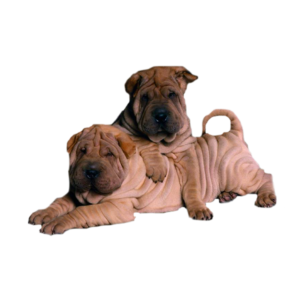
Chinese Shar Pei
The Chinese Shar Pei is an ancient wrinkled-skin breed from Guangdong, China, once used as a fighting dog. Calm, confident, gentle, and alert, it is devoted to its family but wary of strangers.

Havanese
The Havanese is a small, short-legged companion dog from Cuba with long, soft hair and a merry, affectionate nature. Friendly, gentle, and sensitive, it is an ideal family pet and devoted to its owners.
How do you judge the quality of a small Shepherd puppy?
Judging a small Shepherd puppy's quality involves temperament, health, and conformation. Compare its features against the breed standard - Border Collie, German Shepherd, or Scotch Collie. Check for signs of poor health and, if possible, screen for hidden hereditary disease. A good puppy is stable, smart, loyal, brave, and trainable.

Bengal
Anyone who sees a Bengal cat for the first time is captivated by its looks. This leopard-like cat is simply irresistible. As an expensive pedigree pet, it carries a high price, so prospective owners should prepare in advance. Here is how to care for a Bengal.

When Do Shiba Inu Ears Stand Up, and What If They Don’t?
Purebred Shiba Inu usually prick their ears early—most show signs around 40 days and stand fully by 3–4 months. If they stay floppy, causes include calcium deficiency, slow development, mixed breeding, or ear disease (mites/otitis). Fixes: vet check, calcium, ear taping as a temporary aid, and treating ear infections.
What happens if same-litter Samoyeds are bred together?
Mating same-litter dogs is inbreeding, raising the risk of fetal defects like cleft lip and incomplete organs, plus premature birth, stillbirth, and difficult labor. The pups are usually weak, carry hereditary disease and gene flaws that pass on, and may die suddenly, so they are short-lived. Avoid breeding same-litter Samoyeds; separate other opposite-sex dogs once mature.