Search Results
93 results for “hemolytic”
Can Dogs Eat Onions?
Dogs should never eat onions. Alliums like onions, garlic, and leeks contain sulfur compounds that destroy red blood cells and can cause hemolytic anemia. Affected dogs may become lethargic, vomit, lose their appetite, or pass blood in their urine, and severe cases can be fatal.
Human Foods That Are Absolutely Toxic to Cats
Never feed cats chocolate, onions/garlic, grapes/raisins, or anything with caffeine, xylitol, or alcohol — all can be fatal even in small amounts. Most adult cats are also lactose-intolerant, so skip milk and dairy, and avoid high-salt, high-sugar, and high-fat table scraps that strain the kidneys, pancreas, and metabolism. Always check whether a food is cat-safe before sharing.

Can Cat Jaundice Heal on Its Own?
Cat jaundice cannot heal on its own—it signals rising bilirubin from liver dysfunction or blocked bile flow, linked to fatty liver, pancreatitis, toxins, parasites, or stones. It needs a vet to find and treat the root cause; untreated liver damage can be fatal.
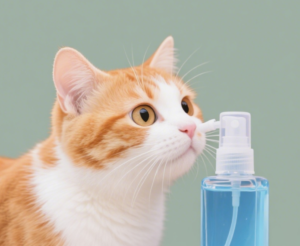
Can Mosquito-Repellent Perfume Poison Your Cat?
That popular mosquito-repellent perfume (the Chinese "flower water") does pose a real risk to cats. Some formulas contain DEET and pyrethroids, both dangerous to cats, and the alcohol, menthol, and camphor in them also irritate. DEET can disturb the central nervous system at high concentration, while pyrethroids are outright toxic because a cat's liver lacks the enzyme to break them down, so toxins build up and can cause organ failure. Cat homes should avoid the product; use screens, nets, electric swatters, or UV traps instead. If a cat shows tremors or vomiting after heavy exposure, never induce vomiting, go to a vet at once.
Smells Cats Hate Most (and Why They Matter)
A cat's nose is far sharper than ours, so scents we find fresh can be 'chemical weapons' to them. Most cats hate high-menthol products (white flower oil, cooling balms), citrus peels (limonene and linalool irritate their scent nerves and the plants are mildly toxic), and perfumes. They also reject other cats' smells—a stranger's scent can trigger defensive puffing and hissing. Alliums, camphor products, and vinegar round out the list, while secondhand smoke's 7,000-plus chemicals threaten a small cat's lungs far more than a human's. Keep these away from your cat.
Cat Food Ingredients to Avoid, No Matter How Cheap
Not all cat food is created equal, and the ingredient list is the single most reliable way to judge quality. Some products hide preservatives, flavor enhancers, and fillers that can harm your cat over time — from potential carcinogens like BHA, BHT, ethoxyquin, and TBHQ to appetite stimulants such as MSG and pyrophosphate. Other risky additives include propylene glycol, nitrites, synthetic vitamin K3, and thickening gums, while artificial colors and sweeteners add sugar and nothing of value. Because cats are obligate carnivores, diets overloaded with corn, wheat, or soy not only lack nutrition but may trigger allergies and even aflatoxin exposure. Learning to read the label helps you protect your cat from low-grade food, no matter how attractive the price.

Why Your Dog’s Urine Is Dark
Normal dog urine is pale yellow. Dark urine is a sign that something is mixing into it, usually bile pigments, blood, or other material, and it often points to a real problem. The causes range from liver and kidney disease to infection and certain toxins, though a few are harmless.

Which Fruits and Vegetables Are Safe for Cats
Cats are obligate carnivores and do not need plants for nutrition, so missing veggies does no harm. A few steamed or plain options are fine as tiny treats for fiber, but many common foods, including grapes, raisins, and alliums, are toxic. This guide lists the safe few, the dangerous many, and why cat grass beats sharing your plate.

Forbidden Foods for Cats and Dogs
Some everyday foods are quietly dangerous to pets. Chocolate, onion family, grapes, too much liver, allergenic seafood, and sharp bones each carry specific risks from theobromine toxicity to kidney failure and gut perforation. Knowing the list helps you protect a cat or dog from a preventable emergency.

Dog Food Safety: Harmful Foods to Keep Away from Your Dog
A healthy dog starts with a safe, balanced diet. The single most important rule is to keep harmful foods out of your dog's bowl. Certain everyday items—sharp cooked bones, too much animal liver, onions and garlic, chocolate, and allergenic seafood—can damage your dog's digestive tract or even prove toxic. Cooked bones can tear the stomach or intestine; excess liver causes vitamin A poisoning; alliums trigger the destruction of red blood cells; chocolate's theobromine is dangerous in quantity; and seafood often sparks allergic diarrhea. Learning these common dietary taboos helps you protect your dog from acute poisoning, internal injury, and chronic health issues, and keeps mealtime both safe and nutritious.