Search Results
32 results for “heel training”
How do I teach my dog to follow its owner?
Teaching a dog to follow its owner requires some training. First, to let the dog know when it should follow, use verbal commands such as 'heel,' 'come,' or 'walk.' Second, when the dog follows, give it small treats or praise to reinforce its willingness to follow.
How to make a dog walk behind you?
Teaching a dog to walk behind needs training; pick a quiet, open place and use a leash with its favorite treats for heeling. Steps: if it passes your position, pull the leash to check it; when it matches your pace, praise and treat. Repeat until it walks calmly beside or behind you.
How to train a Rottweiler?
Training a Rottweiler takes patience and correct technique; start basic commands like sit, stay and heel at about 3 months to build obedience. Given their alertness and aggression, begin socialization early with other dogs and people. Keep commands consistent and reward correct actions with food, toys or praise.
How to train a Beagle puppy?
Training a Beagle puppy needs: thorough socialization early to build adaptability, basic commands like sit, stay, come, plus walk and no to control bad behavior. Reward with food when correct, but gradually reduce treat amount and frequency to avoid pickiness.
How to make a dog obey?
First bond and build trust with the dog. Once adapted, do simple training — housebreaking, handshake, sit, heel — using online tutorials. When it misbehaves, punish appropriately: scold, brief crate time, no treats — establishing you as leader so it obeys.
How to Train a Golden Retriever Puppy?
Train a Golden puppy to eliminate in a fixed spot first, then sit, down, shake and heel. Use a pan with urine-soaked newspaper; an experienced dog can model the behavior.
How to train a Samoyed?
First give the Samoyed a simple, memorable name and call it before each meal so it learns it. Train step by step: start with recall, sit, and litter training, then advance to heel and leave-it. Reward appropriately, e.g., for recall, say its name then 'come'; if it obeys, give a snack.
My Dog Jumps on Everyone — How to Stop It
A dog that lunges at strangers is usually curious, under-socialized, full of pent-up energy, or seeking attention — and it can scare or even injure people. Train basic obedience (sit, stay, heel), then practice with a helper who approaches from a distance: cue 'sit,' reward calm behavior, and have the helper turn away if the dog jumps.

Why Does Your Dog Bite Your Pant Legs? (And What It Means)
When a dog grabs and tugs at your pant leg, it is rarely out of spite. Most often the dog is trying to get your attention, invite you to play, or signal a need such as an empty food bowl. The swaying fabric can also trigger an inherited prey drive, since a moving pant leg looks like something to chase. In some cases—especially when you pick up keys or put on shoes—it signals separation anxiety: studies show a large share of dogs chew scent-bearing items to soothe themselves when they sense you are leaving. The fix is consistency: ignore the behavior, reward calm following, offer chew toys, and meet the dog's exercise needs. Understanding the motive behind the bite is the first step to changing it, and learning your dog's other body-language cues helps you bond.
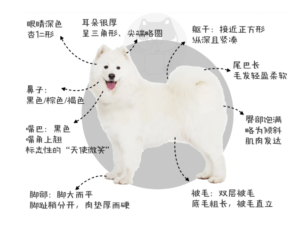
The Samoyed: A ‘Smiling Angel’—but Think Twice Before You Commit
The Samoyed's famous 'smile' is real, and so is its friendliness, trainability, and adaptability. But this breed sheds heavily, needs daily exercise, has a sensitive stomach, and shows its share of health issues—tear stains, dermatitis, heatstroke, obesity, and hip dysplasia. Before you fall for the looks, weigh the work it takes to keep one happy and healthy.
- « Previous
- 1
- 2
- 3
- 4
- Next »